Religijne nakrycia głowy na zdjęciu do paszportu i wizy
Większość krajów zezwala na religijne nakrycia głowy na zdjęciu do dokumentu, pod warunkiem że rysy twarzy pozostają w pełni widoczne od podbródka po czoło. Ten przewodnik opisuje, jak zasada ta obowiązuje w strefie Schengen, w Stanach Zjednoczonych, Kanadzie oraz w głównych krajach Bliskiego Wschodu, Azji Południowej i Azji Południowo-Wschodniej.
W tym artykule · 8 rozdziałów
- —Dozwolone, gdy twarz pozostaje w pełni widoczna
- 01Jak urzędy definiują pojęcie „religijne”
- 02Zasada dotycząca nakryć głowy według procedury
- 03Oświetlenie ma większe znaczenie niż samo nakrycie
- 04Turbany sikhijskie i dastaar
- 05Nikab i pełne zasłony twarzy
- 06Najczęściej zadawane pytania
- 07Powiązane poradniki
Krótka odpowiedź
Dozwolone, gdy twarz pozostaje w pełni widoczna
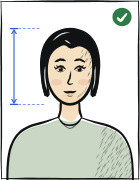
Hidżab, kipa, turban i podobne religijne nakrycia głowy są dozwolone we wszystkich państwach Schengen, w USA, Wielkiej Brytanii, Kanadzie i Australii. Twarz — podbródek, usta, nos, policzki, oczy, czoło — musi pozostać w pełni widoczna, bez cieni rzucanych przez nakrycie.
Jak urzędy definiują pojęcie „religijne”
Żaden kraj nie wymaga dowodu wyznania. Zasada ma charakter administracyjny — nakrycie głowy jest traktowane jako religijne, gdy noszone byłoby w codziennym życiu publicznym. Modne nakrycia głowy (czapki z daszkiem, kapelusze, bandany) nie są akceptowane, nawet jeśli noszone są z intencją religijną.
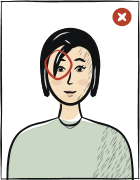
Najczęstszą przyczyną odrzucenia nie jest samo nakrycie, lecz cień, jaki rzuca ono na czoło, oczy lub policzki. Nawet w pełni zgodny hidżab nie przejdzie weryfikacji biometrycznej, jeśli linia cienia przetnie górną część okolicy oczu.
Zasada dotycząca nakryć głowy według procedury
| Kraj / procedura | Dozwolone | Warunki |
|---|---|---|
| Wiza Schengen (27 państw) | Tak, wyłącznie religijne | Rysy twarzy w pełni widoczne. |
| Paszport / wiza – Stany Zjednoczone | Tak, religijne lub medyczne | Widoczna linia włosów i kontur twarzy. |
| Paszport brytyjski | Tak, religijne lub medyczne | Rysy twarzy w pełni widoczne. |
| Paszport kanadyjski | Tak, wyłącznie religijne | Twarz widoczna od podbródka po czoło. |
| Paszport australijski | Tak, wyłącznie religijne | Rysy twarzy w pełni widoczne. |
| Paszport indyjski | Tak, wyłącznie religijne | Widoczne czoło, podbródek i uszy. |
| Emirates ID (ZEA) | Tak | Hidżab dozwolony; kontur twarzy widoczny. |
| Paszport – Arabia Saudyjska | Tak, religijne | Hidżab i ghutra dozwolone zarówno dla kobiet, jak i mężczyzn. |
| Zdjęcie biometryczne – Turcja | Tak, religijne | Rysy twarzy widoczne. |
| Paszport wewnętrzny – Rosja | Tak, religijne | Wyraźna zasada federalnego MSW. |
| Paszport chiński | Tak, religijne | NIA: kontur twarzy nie może być zakryty. |
| Paszport japoński | Tak, religijne | MFA Japonii: rysy twarzy widoczne. |
Oświetlenie ma większe znaczenie niż samo nakrycie
Najbardziej przydatnym krokiem jest fotografowanie w równomiernym, czołowym świetle dziennym. Okno ustawione bezpośrednio przed osobą fotografowaną eliminuje linie cienia, które religijne nakrycie głowy rzucałoby na czoło, brwi i policzki.
Turbany sikhijskie i dastaar
Turban sikhijski lub dastaar jest akceptowany we wszystkich wymienionych procedurach jako nakrycie religijne. Czoło jest zwykle częściowo zakryte przez dastaar — większość urzędów akceptuje to, o ile brwi i okolice oczu pozostają widoczne.
Nikab i pełne zasłony twarzy
Pełne zasłony twarzy zakrywające podbródek, usta i nos nie są akceptowane na zdjęciach do dokumentów w żadnym z wymienionych krajów. Większość urzędów oferuje prywatne pomieszczenie z pracownicą do krótkiej weryfikacji podczas wizyty.
Najczęściej zadawane pytania
01Czy będę musiała zdjąć hidżab podczas wizyty w urzędzie?
Większość konsulatów Schengen i zachodnich oferuje prywatne pomieszczenie z pracownicą do krótkiej weryfikacji biometrycznej. Personel przyjmujący wnioski może potwierdzić procedurę przy umawianiu wizyty.
02Czy mogę nosić religijne nakrycie głowy na zdjęciu do amerykańskiego paszportu?
Tak, amerykański Departament Stanu zezwala na religijne i medyczne nakrycia głowy. Przy składaniu wniosku czasem wymagane jest podpisane oświadczenie o religijnym powodzie noszenia nakrycia.
03A co z turbanem sikhijskim?
Dozwolony we wszystkich głównych procedurach, w tym Schengen, USA, Wielkiej Brytanii, Kanadzie i Australii. Czoło może być częściowo zakryte, o ile brwi pozostają widoczne.
Powiązane poradniki
Przygotuj teraz swoje zdjęcie do dokumentu
Prześlij portret — Anfas.Pro automatycznie zastosuje zasady z tego przewodnika do wybranego kraju i dokumentu.