Czy mogę być w okularach na zdjęciu do dokumentów?
W przypadku większości nowoczesnych dokumentów biometrycznych najbezpieczniejsza odpowiedź brzmi: nie — zdejmij okulary przed zdjęciem, chyba że organ wydający przyznaje wyraźny wyjątek medyczny. Ten przewodnik omawia zasady 14 najczęstszych ścieżek, a także to, co liczy się jako ważny wyjątek medyczny, jak radzić sobie z odblaskami i co zrobić, gdy fizycznie nie możesz zdjąć okularów.
W tym artykule · 8 rozdziałów
- —Szybka odpowiedź
- 01Zasada według kanału dokumentowego
- 02Krok po kroku
- 03Dlaczego urzędy odrzucają okulary
- 04Rodzaje soczewek, które częściej nie przechodzą kontroli
- 05Co liczy się jako ważny wyjątek medyczny
- 06Co zrobić, jeśli zdjęcie odrzucono z powodu okularów
- 07Przypadki szczególne: dzieci, osoby niedowidzące, okulary religijne
Szybka odpowiedź
Szybka odpowiedź
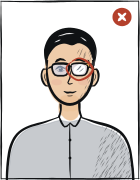
Okulary są często odrzucane, ponieważ odblaski na soczewkach i oprawki mogą zasłaniać okolice oczu wykorzystywane przez systemy biometryczne. Jeśli musisz je nosić, używaj wyłącznie przezroczystych soczewek i zdejmij soczewki przyciemniane lub fotochromowe odpowiednio wcześnie przed zdjęciem.
Zasada według kanału dokumentowego
| Ścieżka | Zasada dotycząca okularów | Źródło |
|---|---|---|
| Paszport USA | Zakazane od 1 listopada 2016 r. Akceptowane tylko rzadkie udokumentowane wyjątki medyczne. | travel.state.gov |
| Wiza USA (DS-160) | Zakazane. Odblaski wykrywa kontrola automatyczna. | travel.state.gov |
| Paszport Wielkiej Brytanii | Odradzane przy nowych wnioskach od 2016 r. Dozwolone tylko z wyraźnego powodu medycznego. | gov.uk |
| Wiza Wielkiej Brytanii | Ta sama zasada co paszport — zdejmij, jeśli to możliwe. | gov.uk |
| Wiza Schengen | Odradzane. Oczy muszą być w pełni widoczne, bez odblasków. Wstępna kontrola konsularna odrzuca odblaski nawet niewidoczne dla ludzkiego oka. | EU visa code + ICAO 9303 |
| Paszport / dowód Niemiec | Dozwolone tylko bez odblasków i przy w pełni widocznych oczach. Oprawka nie może zasłaniać brwi. | Bundesdruckerei (BSI TR-03121) |
| Wiza Chin | Dozwolone z wyjątkiem grubych oprawek, przyciemnienia lub powodujących odblaski. | CVASC / MFA China |
| Paszport Chin | Dozwolone tylko wtedy, gdy oczy są w pełni widoczne i nie ma odblasków. | National Immigration Administration |
| Paszport / wiza Indii | Dozwolone tylko wtedy, gdy oczy są widoczne, a oprawka cienka. | passportindia.gov.in |
| Paszport Kanady | Zakazane od 1 lipca 2016 r. dla paszportów biometrycznych. | Service Canada / Passport Canada |
| Paszport Australii | Zakazane z wyjątkiem udokumentowanych powodów medycznych. | passports.gov.au |
| Paszport Japonii | Dozwolone tylko bez odblasków. | MOFA Japan |
| Dokumenty ZEA | Okulary medyczne mogą zostać zaakceptowane, jeśli oczy nie są zasłonięte, a soczewki nieprzyciemniane. | ICA UAE |
| Wewnętrzny paszport Rosji | Dozwolone dla osób noszących je stale; przyciemniane soczewki są zakazane. | MVD Russia |
Krok po kroku
Ustal, czy obejmuje Cię wyjątek medyczny
Wyjątek medyczny ma zastosowanie wyłącznie wtedy, gdy nie możesz zdjąć okularów z udokumentowanego powodu fizycznego (na przykład po operacji lub przy niektórych schorzeniach neurologicznych). „Zawsze je noszę" nie jest powodem medycznym — nawet przy silnej wadzie wzroku zdjęcie to tylko jednorazowa chwila.
Zdejmij okulary 10 minut przed zdjęciem
Soczewki fotochromowe i reaktywne mogą pozostać lekko przyciemnione przez kilka minut po wejściu do pomieszczenia. Odłóż okulary, zamrugaj kilka razy, aby oczy się ustabilizowały, i zrób zdjęcie przy równym świetle.
Jeśli okulary muszą zostać, najpierw usuń odblask
Pochyl płaszczyznę soczewki bardzo lekko w dół (1-2°), aby światło w pomieszczeniu odbijało się ku podłodze, a nie do aparatu. Użyj rozproszonego światła z okna bezpośrednio z przodu, nigdy lampy pierścieniowej ani sufitowego reflektora.
Sprawdź, czy oboje oczu jest w pełni widocznych
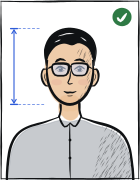
Oprawka nie może zasłaniać brwi, źrenic ani górnej lub dolnej krawędzi oka. Jeśli oprawka wchodzi w obszar oka analizowany przez moduł biometryczny, zdjęcie nie przejdzie kontroli automatycznej nawet bez odblasku.
Zabierz na wizytę zaświadczenie lekarskie
Przy składaniu osobistym weź podpisane i opatrzone datą zaświadczenie lekarskie wyjaśniające, dlaczego nie można zdjąć okularów. Większość urzędów i tak wymaga zdjęcia bez okularów — zaświadczenie liczy się wyłącznie na etapie kontroli przez człowieka.
Dlaczego urzędy odrzucają okulary
Biometryczne paszporty z chipem przechowują obraz referencyjny ICAO 9303, który po latach jest porównywany na bramkach elektronicznych i kontroli granicznej. Odblaski, przyciemniane soczewki i grube oprawki pogarszają trzy cechy używane przez moduł porównujący: położenie źrenicy, geometrię kącika oka i odległość międzyźreniczną. Nawet plamka odblasku, która wydaje się oku mała, może zasłonić kilka kluczowych punktów matematycznych potrzebnych algorytmowi.
Rodzaje soczewek, które częściej nie przechodzą kontroli
Soczewki fotochromowe / reaktywne (Transitions) pozostają przyciemnione 1-3 minuty w pomieszczeniu. Powłoki antyrefleksyjne często mają lekko niebieskawy odcień, który moduł traktuje jako przyciemnienie. Soczewki progresywne z widoczną linią nie przechodzą kontroli, bo linia przecina obszar oka. Spolaryzowane okulary przeciwsłoneczne z przezroczystą wkładką często wyglądają poprawnie, ale polaryzator blokuje część widzialnego widma.
Co liczy się jako ważny wyjątek medyczny
Urzędy różnią się, ale wspólny próg brzmi: trwały lub długotrwały stan, w którym zdjęcie okularów jest fizycznie szkodliwe lub niemożliwe. Okres pooperacyjny po operacji rogówki, ciężka światłowstrętność (na przykład albinizm), oczopląs z dryfem ostrości uniemożliwiający jakiekolwiek użyteczne zdjęcie lub okres rekonwalescencji po operacji zeza. „Silna wada wzroku" sama w sobie nigdy nie wystarcza.
Co zrobić, jeśli zdjęcie odrzucono z powodu okularów
Większość odmów podaje dokładny powód („odblask na prawej soczewce", „oprawka zasłania lewą brew", „oczy nie są w pełni widoczne"). Zrób zdjęcie ponownie bez okularów, jeśli wyjątek medyczny nie jest jednoznaczny — odwołanie od odmowy z powodu okularów rzadko bywa skuteczne w latach 2024-2026, ponieważ warstwa kontroli automatycznej nie może zostać uchylona przez kontrolera w pierwszej instancji.
Przypadki szczególne: dzieci, osoby niedowidzące, okulary religijne
Dzieci rzadko mają ważny wyjątek medyczny — większość urzędów prosi o zdjęcie okularów na potrzeby fotografii. Niektóre (zwłaszcza Niemcy) wyraźnie akceptują lekkie okulary medyczne dla dzieci z silną krótkowzrocznością. Okulary religijne (na przykład stałe okulary modlitewne) nie stanowią uznanej kategorii — religijne nakrycia głowy regulowane są odrębną zasadą.
Czytaj dalej
wszystkie poradnikiZrób dobre zdjęcie w okularach za pierwszym razem
Prześlij portret — Anfas.Pro sprawdza okolice oczu pod kątem odblasków i zasłonięcia zgodnie z zasadą Twojego kraju, dzięki czemu wiesz, że problem z okularami jest naprawdę rozwiązany przed wysłaniem.