Zdjęcie do TIE (hiszpańska karta pobytu): 32 × 26 mm
TIE — Tarjeta de Identidad de Extranjero — to fizyczny dokument, który Hiszpania wydaje cudzoziemcom mieszkającym w kraju, i to karta ma zdjęcie. NIE nie jest dokumentem, lecz Twoim numerem cudzoziemca, i nie ma żadnego zdjęcia. Zdjęcie na kartę ma ten sam format co do hiszpańskiego dowodu DNI: tamaño carné, według oficjalnego brzmienia «32 por 26 milímetros» — odbitka o szerokości 26 mm i wysokości 32 mm. A oficjalna lista dokumentów wymaga dokładnie jednego zdjęcia, a nie trzech, jak wciąż powtarza wiele nieaktualnych streszczeń.
Format zdjęcia
 26 × 32 mm
W tym artykule · 9 rozdziałów
- —32 × 26 mm, gładkie białe tło, tylko jedno zdjęcie
- 01Wymagania dotyczące zdjęcia do TIE
- 02TIE, NIE i «karta pobytu»: która ma zdjęcie?
- 03«32 por 26» czy «26 × 32»: która kolejność jest właściwa?
- 04Co zabrać na pobranie odcisków palców
- 05Przedłużenie i duplikat: ta sama zasada dla zdjęcia
- 06Częste pytania
- 07Powiązane poradniki
- 08Oficjalne źródła
Krótka odpowiedź
32 × 26 mm, gładkie białe tło, tylko jedno zdjęcie
Zdjęcie do TIE to aktualne kolorowe zdjęcie w formacie carné — 26 × 32 mm (26 mm szerokości, 32 mm wysokości; «32 por 26 mm» w oficjalnym brzmieniu) — na białym, jednolitym i gładkim tle, zrobione na wprost, z całkowicie odkrytą głową i bez ciemnych szkieł. Oficjalna lista wymaga jednego zdjęcia, a ta sama zasada dotyczy pierwszej karty, przedłużenia i duplikatu. Ostatnie sprawdzenie: .
Wymagania dotyczące zdjęcia do TIE
| Rozmiar | 26 × 32 mm (26 mm szerokości, 32 mm wysokości) — «32 por 26 mm» w oficjalnym brzmieniu [3] |
|---|---|
| Liczba zdjęć | Jedno — «Una fotografía reciente, en color, en fondo blanco, tamaño carné» (jedno aktualne kolorowe zdjęcie na białym tle w formacie carné) [1] |
| Kolor i aktualność | Aktualne i kolorowe, tak by oddawało Twój obecny wygląd [1] |
| Tło | Białe, jednolite i gładkie («fondo uniforme blanco y liso») [3] |
| Poza | Zdjęcie na wprost, głowa prosto, twarz w pełni widoczna [3] |
| Nakrycie głowy | Głowa całkowicie odkryta; nic nie może uniemożliwiać ani utrudniać identyfikacji — religijne nakrycia głowy podlegają tej samej ogólnej zasadzie zdjęcia do dokumentu [3] |
| Okulary | Bez ciemnych ani przyciemnianych szkieł; oprawka lub odblask zasłaniający oczy może skończyć się odmową w okienku [3] Wszystkie zasady → |
| Wydrukowane czy cyfrowe? | Wydrukowane: oddaje się je na wizycie pobrania odcisków palców razem z resztą dokumentów [1] |
| Sprawdzone ze źródłami pierwotnymi. Zaktualizowano: . Źródła | |
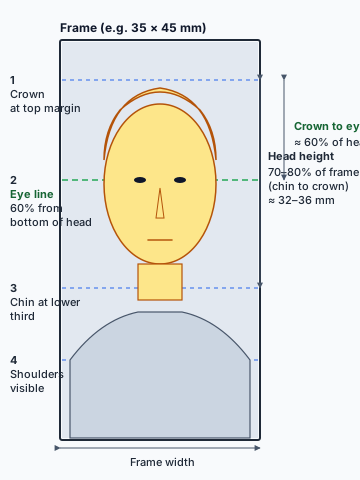
Oficjalne teksty nie mówią nic więcej: żadne oficjalne źródło nie podaje dla zdjęcia do TIE rozdzielczości w pikselach, dpi ani wysokości głowy w milimetrach. Liczby w rodzaju «600 dpi» czy «głowa 23,5 mm», krążące po stronach fotograficznych, nie pochodzą z oficjalnych źródeł, dlatego ta strona ich nie powtarza. Źródła ustalają sam format carné, wymóg jednego zdjęcia oraz zasady dotyczące tła, pozy i okularów z tabeli powyżej.
TIE, NIE i «karta pobytu»: która ma zdjęcie?
Te trzy nazwy ciągle się mylą, także na stronach fotograficznych, więc warto je uporządkować. TIE (Tarjeta de Identidad de Extranjero) to fizyczna karta: ma Twoje zdjęcie i odciski palców i wydaje ją komisariat Policía Nacional. NIE (Número de Identidad de Extranjero) to numer: nadaje się go raz, widnieje w Twoich sprawach i na samej TIE i nigdy nie ma zdjęcia — «zdjęcie do NIE» jako takie nie istnieje. A «karta pobytu» (tarjeta de residencia) to po prostu potoczna nazwa TIE: gdy lista wymaga zdjęć do karty pobytu, chodzi o zdjęcie do TIE, według tej samej zasady formatu carné, którą opisuje ta strona.
Jeśli więc jakaś usługa lub urząd prosi o zdjęcie do NIE, w rzeczywistości chodzi o zdjęcie do TIE. Jedyne zdjęcie w całej procedurze to to, które zostanie wydrukowane na karcie.
«32 por 26» czy «26 × 32»: która kolejność jest właściwa?
Obie. Oficjalne teksty podają przy zdjęciu do dokumentu najpierw wysokość: Real Decreto 1553/2005, art. 5.1.b — przepis stojący za wyrażeniem «tamaño carné» — określa je jako «tamaño 32 por 26 milímetros, con fondo uniforme blanco y liso, tomada de frente con la cabeza totalmente descubierta y sin gafas de cristales oscuros» (32 × 26 mm, białe jednolite i gładkie tło, na wprost, głowa całkowicie odkryta, bez ciemnych szkieł) [3]. Usługi fotograficzne zwykle zapisują ten sam rozmiar od szerokości: 26 × 32 mm. To jeden prostokąt zapisany w dwóch kolejnościach — 26 mm szerokości, 32 mm wysokości, zawsze wyższy niż szerszy. Jeśli zakład fotograficzny oferuje «26 × 32», a oficjalna lista mówi «32 por 26», nie ma błędu: to ten sam format.
Co zabrać na pobranie odcisków palców
Kartę wydaje się osobiście. Mając w ręku decyzję o przyznaniu lub przedłużeniu zezwolenia, umów cita previa na «Toma de huellas (expedición de tarjeta)» w komisariacie Policía Nacional, który w Twojej prowincji wydaje karty, i złóż tam dokumenty [2]. Zabierz:
- Paszport.
- Decyzję o przyznaniu lub przedłużeniu zezwolenia na pobyt.
- Jedno aktualne kolorowe zdjęcie w formacie carné (26 × 32 mm) na białym, gładkim tle [1].
- Wypełniony formularz EX-17 (wniosek o Tarjeta de Identidad de Extranjero) — znajdziesz go na stronie TIE hiszpańskiego Ministerstwa Spraw Wewnętrznych [1].
- Potwierdzenie wniesienia opłaty: model 790, kod 012. Formularz można wypełnić online na stronie opłaty 790-012 Policía Nacional ↗ i opłacić w banku przed wizytą.
Na wizycie pobiera się odciski palców, a gotową kartę odbiera się później w komisariacie — oddane zdjęcie to to, które się na niej znajdzie.
Przedłużenie i duplikat: ta sama zasada dla zdjęcia
Przedłużenie karty (renovación) ani wymiana karty zgubionej lub skradzionej (duplicado) nie zmienia wymogu dotyczącego zdjęcia. Listy Policía Nacional dla pierwszej karty, przedłużenia, duplikatu i zmiany danych zawierają to samo aktualne kolorowe zdjęcie na białym tle policia.es ↗ — jedno zdjęcie w formacie carné, a kartę wydaje się ponownie po wizycie pobrania odcisków palców w komisariacie. Jeśli zdjęcie pasowało do Twojej pierwszej TIE, nowa odbitka o tej samej specyfikacji pasuje do przedłużenia; zadbaj tylko, by była aktualna i oddawała Twój obecny wygląd [1].
Częste pytania
01Ile zdjęć potrzeba do TIE?
Jedno. Lista dokumentów do TIE hiszpańskiego Ministerstwa Spraw Wewnętrznych wymaga «Una fotografía reciente, en color, en fondo blanco, tamaño carné» — jednego zdjęcia. W sieci krążą jeszcze stare streszczenia mówiące o trzech zdjęciach; obowiązująca oficjalna lista mówi o jednym. Zapasowa odbitka z tego samego arkusza to tanie zabezpieczenie, ale wymagane jest jedno zdjęcie.
02Jakie zdjęcie jest potrzebne do karty pobytu?
«Karta pobytu» (tarjeta de residencia) to potoczna nazwa TIE, więc zdjęcia do karty pobytu to dokładnie te z tej strony: jedno aktualne kolorowe zdjęcie w formacie carné (26 × 32 mm) na białym, jednolitym i gładkim tle, na wprost, z odkrytą głową i bez ciemnych szkieł. Oddaje się je wydrukowane na wizycie pobrania odcisków palców.
03Czy potrzebuję zdjęcia do NIE?
Nie — NIE (Número de Identidad de Extranjero) to numer, a nie dokument. Nadaje się go raz, widnieje w Twoich sprawach i nigdy nie ma zdjęcia. Gdy lista lub urząd prosi o «zdjęcie do NIE», w rzeczywistości chodzi o zdjęcie do TIE, fizycznej karty, na której widnieje numer NIE.
04Czy zdjęcie ma 32 × 26 czy 26 × 32 mm?
Obie liczby opisują ten sam rozmiar w innej kolejności. Oficjalne teksty podają przy zdjęciu do dokumentu najpierw wysokość («32 por 26 milímetros»), a usługi fotograficzne zwykle najpierw szerokość (26 × 32 mm). W obu przypadkach to ten sam pionowy prostokąt: 26 mm szerokości i 32 mm wysokości.
05Czy na zdjęciu do TIE można mieć okulary?
Ciemnych nie. Zasada zdjęcia do dokumentu (RD 1553/2005, art. 5.1.b) wymaga zdjęcia na wprost, z całkowicie odkrytą głową i «sin gafas de cristales oscuros» (bez ciemnych szkieł) oraz zabrania wszystkiego, co uniemożliwia lub utrudnia identyfikację. Przyciemniane szkła, a także oprawka lub odblask zasłaniający oczy, mogą sprawić, że zdjęcie zostanie odrzucone w okienku.
06Czy mogę zrobić zdjęcie do TIE online?
Tak. Wymagane jest wydrukowane, aktualne i kolorowe zdjęcie w formacie carné (26 × 32 mm) na białym, gładkim tle — nic nie wymaga studia fotograficznego. Anfas.Pro tworzy zdjęcie gotowe do TIE w dokładnym hiszpańskim formacie carné, sprawdzone według tych samych źródeł Policía Nacional, które cytuje ten poradnik, i daje arkusz gotowy do wydruku na wizytę pobrania odcisków palców.
Powiązane poradniki
Oficjalne źródła
- Hiszpańskie Ministerstwo Spraw Wewnętrznych, Tarjeta de Identidad de Extranjero — lista dokumentów do TIE, w tym wiersz o jednym zdjęciu («Una fotografía reciente, en color, en fondo blanco, tamaño carné») i formularz EX-17. interior.gob.es ↗
- Policía Nacional (sede electrónica), tarjeta de residencia de larga duración — wymóg dotyczący zdjęcia i procedura pobrania odcisków palców w komisariacie. sede.policia.gob.es ↗
- Real Decreto 1553/2005, art. 5.1.b (BOE-A-2005-21163) — definicja zdjęcia do dokumentu: 32 × 26 mm, białe jednolite i gładkie tło, na wprost, głowa całkowicie odkryta, bez ciemnych szkieł. boe.es ↗
Sprawdzono . Śledzimy zmiany na interior.gob.es i w sede electrónica Policía Nacional.
Zrób zdjęcie do TIE zgodne z oficjalną normą
Prześlij portret, a Anfas.Pro przygotuje hiszpański format carné 26 × 32 mm — gładkie białe tło, ujęcie na wprost — sprawdzony według tych samych źródeł Policía Nacional, które cytuje ten poradnik, z arkuszem gotowym do wydruku na wizytę pobrania odcisków palców.