Regras capilares em fotografias de passaporte e visto
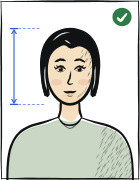
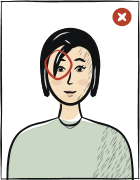
O cabelo é o elemento mais variável numa fotografia de documento, porque os candidatos mudam de penteado, comprimento e cor entre processos. A norma biométrica não se preocupa com a cor ou o comprimento do cabelo — preocupa-se apenas com o facto de este cobrir os olhos, as sobrancelhas ou a testa de uma forma que oculte a geometria de que o scanner precisa.
Neste artigo · 9 secções
Resposta rápida
O cabelo não é problema — mantenha-o afastado dos olhos, sobrancelhas e testa
Qualquer penteado, comprimento e cor — natural ou tingida — é aceite por todas as principais autoridades emissoras. A regra é que o cabelo não pode ultrapassar a linha das sobrancelhas nem cobrir os olhos. Uma franja comprida tem de estar repartida ou afastada para o lado.
O que o scanner realmente verifica
Os algoritmos de reconhecimento facial biométrico usam a linha das sobrancelhas, a zona dos olhos e a parte superior da testa como pontos de referência. O cabelo que cobre estas zonas bloqueia a deteção das referências e provoca uma rejeição automática — mesmo quando a cor, o comprimento e o estilo do cabelo não têm, de resto, qualquer relevância.
A solução é quase sempre a mesma: afastar o cabelo da testa, repartir a franja para um lado, prender as madeixas soltas atrás das orelhas. A maioria das rejeições resolve-se com 30 segundos de ajuste antes da tentativa seguinte.
Regra capilar consoante o processo
| País / processo | Regra | Notas |
|---|---|---|
| Passaporte / visto Estados Unidos | Sobrancelhas e olhos visíveis | Uma franja comprida tem de estar repartida ou presa para o lado. |
| Passaporte Reino Unido | Sobrancelhas e olhos visíveis | O HMPO proíbe explicitamente cabelo sobre a zona dos olhos. |
| Visto Schengen | Sobrancelhas e olhos visíveis | Regra prática do Conselho da UE nos 27 Estados. |
| Passaporte China | Sobrancelhas, olhos e orelhas visíveis | NIA: as orelhas também têm de estar visíveis por trás do cabelo. |
| Passaporte Índia | Sobrancelhas e olhos visíveis | PSK: cabelo comprido aceitável desde que não cubra o rosto. |
| Passaporte interno Rússia | Sobrancelhas e olhos visíveis | MVD: sem restrições de comprimento ou cor. |
| Passaporte Canadá | Sobrancelhas e olhos visíveis | IRCC: a cor do cabelo pode diferir da cor natural; é assinalada se a cor era o principal identificador. |
| Passaporte Austrália | Sobrancelhas e olhos visíveis | DFAT: sem restrições de estilo ou comprimento. |
| Passaporte Japão | Sobrancelhas e olhos visíveis | MFA japonês: sem restrições além da visibilidade do rosto. |
| Emirates ID (EAU) | Cabelo afastado, rosto totalmente visível | ICP: para candidatas sem hijab. |
| Passaporte Arábia Saudita | Hijab religioso comum | A cobertura do cabelo pelo hijab é tratada em separado; ver o guia sobre coberturas de cabeça. |
| Passaporte Brasil | Sobrancelhas e olhos visíveis | PF: sem restrições de estilo. |
Cor e tinta do cabelo
Nenhum país proíbe o cabelo tingido. As cores naturais e tingidas são igualmente aceites, desde que a tinta não altere a perceção da etnia de uma forma que contradiga o resto do processo. Na prática, isto quase nunca causa rejeição.
Cabelo muito comprido
Cabelo que desce abaixo dos ombros não é problema. Cabelo sobre as bochechas ou o queixo pode dificultar a deteção da geometria da mandíbula — afaste-o para trás dos ombros ou prenda-o num nó solto.
Cabeça rapada ou careca
Sem restrições. Candidatos carecas são comuns em fotografias de documento e o algoritmo biométrico lê o topo da cabeça, quer esteja coberto de cabelo, quer não.
Perucas e pós-postiços
Permitidas quando usadas de forma habitual no dia a dia. A fotografia deve mostrar o candidato como este aparece normalmente. Uma peruca usada apenas para a fotografia e retirada depois provoca uma incoerência biométrica na marcação.
Perguntas frequentes
01Tenho uma franja comprida — preciso de a cortar?
Não. Reparta a franja para um lado ou prenda-a para trás para que as sobrancelhas fiquem totalmente visíveis. A franja em si não é problema; cobrir os olhos é que é.
02Posso tingir o cabelo antes de uma fotografia de passaporte?
Sim. As cores naturais e tingidas são igualmente aceites. Mantenha a coerência — se tinge o cabelo regularmente, a fotografia vai parecer-se com a sua aparência habitual.
03A cor do meu cabelo mudou desde a fotografia — isso é um problema?
Só na marcação, onde o agente compara a fotografia com o rosto real. Uma mudança ligeira de cor (madeixas, raiz a crescer) é ignorada. Uma mudança de cor significativa (de moreno total a loiro platinado) pode levar o agente a tirar uma nova fotografia de referência.
Guias relacionados
Prepare já a sua fotografia de documento
Envie um retrato — o Anfas.Pro aplica automaticamente as regras deste guia ao país e ao documento selecionados.