Taille de la photo de passeport par pays
Les dimensions de la photo de passeport ne sont pas harmonisées dans le monde. Dans ce tableau, 124 pays utilisent 17 formats différents — du format chinois compact de 33 × 48 mm au format américain de 2 × 2 pouces (51 × 51 mm).
Réponse rapide
Tailles les plus courantes : 35 × 45 mm et 2 × 2 pouces
35 × 45 mm est utilisé dans l’espace Schengen, au Royaume-Uni et dans la plupart des pays du Commonwealth. 2 × 2 pouces (51 × 51 mm) est la norme des États-Unis ; l’Inde l’utilise aussi pour son visa. Le Canada utilise 50 × 70 mm et la Chine 33 × 48 mm. Dernière vérification : .
Pourquoi les dimensions de la photo de passeport varient d’un pays à l’autre
La plupart des pays se rangent dans l’un de deux grands groupes : le format européen et du Commonwealth de 35 × 45 mm, et le format américain de 2 × 2 pouces (51 × 51 mm). Les autres — 40 × 60 mm, 50 × 50 mm, 50 × 70 mm au Canada, 33 × 48 mm en Chine — viennent de traditions administratives propres à chaque pays. L’OACI 9303, la norme utilisée dans la puce des passeports biométriques modernes, n’impose aucune taille de photo imprimée : c’est chaque autorité de délivrance qui la fixe.
La taille joue sur trois choses : la façon dont la photo est imprimée et découpée, la façon dont elle s’insère dans le modèle du formulaire et la façon dont le fichier numérique est lu lors de la capture biométrique. Une photo imprimée à la mauvaise taille est refusée au rendez-vous, même si les proportions de la tête et le fond sont parfaits. Imprimez toujours à la taille exacte du pays visé avant le dépôt.
Taille de la photo de passeport par pays — tableau complet
Cliquez sur un pays pour voir la spécification complète, le lien vers la source et le guide de prise de vue.
| Pays | Taille | Fond | Hauteur de la tête |
|---|---|---|---|
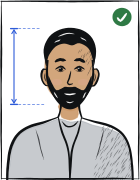
| Afghanistan | 40 × 45 mm | Fond blanc uni. | 70–80% |
| Afrique du Sud | 35 × 45 mm | Fond blanc, gris clair ou crème uni. | 64–76% |
| Algérie | 35 × 45 mm | Fond blanc uni. | 71–80% |
| Allemagne | 35 × 45 mm | Fond clair uni. | 71–80% |
| Arabie saoudite | 40 × 60 mm | Fond blanc uni. | 70–80% |
| Argentine | 40 × 40 mm | Fond blanc uni. | — |
| Arménie | 35 × 45 mm | Fond clair uni, sans textures, ombres ni objets parasites. | — |
| Australie | 35 × 45 mm | Fond blanc ou clair uniforme. | 71–80% |
| Autriche | 35 × 45 mm | Fond uni sans ombres conformément aux Passbildkriterien officiels autrichiens. | 71–80% |
| Azerbaïdjan | 35 × 45 mm | Fond clair uni, sans textures, ombres ni objets parasites. | — |
| Bahreïn | 32,5 × 43 mm | Fond blanc uni. | 70–80% |
| Barbade | 50 × 50 mm | Fond clair uni, sans textures ni dégradés visibles. | 70–80% |
| Belgique | 35 × 45 mm | Fond blanc ou très clair uni, sans ombres ni dégradés. | 69–80% |
| Belize | 51 × 51 mm | Fond blanc uni. | 70–80% |
| Bénin | 35 × 45 mm | Fond blanc uni. | 70–80% |
| Bhoutan | 35 × 45 mm | Fond blanc uni. | 70–80% |
| Biélorussie | 40 × 50 mm | Fond clair uni, sans textures ni dégradés visibles. | 64–70% |
| Bolivie | 40 × 50 mm | Fond clair uni, sans textures ni dégradés visibles. | 70–80% |
| Botswana | 45 × 55 mm | Fond clair uni. | 70–80% |
| Brésil | 50 × 70 mm | Fond strictement blanc. | 44–51% |
| Bulgarie | 35 × 45 mm | Fond clair uni, sans ombres ni objets parasites. | 70–80% |
| Burkina Faso | 35 × 45 mm | Fond blanc uni. | 70–80% |
| Cambodge | 40 × 60 mm | Fond clair uni, sans textures ni dégradés visibles. | 70–80% |
| Cameroun | 35 × 45 mm | Fond clair uni, sans textures ni dégradés visibles. | 70–80% |
| Canada | 50 × 70 mm | Fond blanc ou clair uniforme. | 44–51% |
| Chine | 33 × 48 mm | Fond blanc uni. | 58–69% |
| Chypre | 40 × 50 mm | Fond clair uni, sans textures ni dégradés visibles. | 70–80% |
| Corée du Sud | 35 × 45 mm | Fond strictement blanc. | 71–80% |
| Costa Rica | 51 × 51 mm | Fond clair uni, sans textures ni dégradés visibles. | 70–80% |
| Croatie | 35 × 45 mm | Fond blanc uni. | 75–80% |
| Danemark | 35 × 45 mm | Fond clair uni sans motifs, par exemple bleu clair ou gris clair (lys blå eller lys grå) ; le blanc ne figure pas parmi les exemples officiels. | 67–80% |
| Égypte | 51 × 51 mm | Fond blanc uni. | — |
| Émirats arabes unis | 35 × 45 mm | Fond strictement blanc. | 70–80% |
| Espagne | 26 × 32 mm | Fond blanc uniforme. | 60–75% |
| Estonie | 40 × 50 mm | Fond clair uni, sans objets parasites ni motifs. | 70–80% |
| États-Unis | 51 × 51 mm | Fond blanc ou blanc cassé. | 49–69% |
| Éthiopie | 30 × 40 mm | Fond blanc uni. | 70–80% |
| Europe Schengen | 35 × 45 mm | Fond clair uni. | 70–80% |
| Fidji | 35 × 45 mm | Fond clair uni, sans textures ni dégradés visibles. | 70–80% |
| Finlande | 36 × 47 mm | Fond clair neutre uni, sans ombres. | 68–77% |
| France | 35 × 45 mm | Le fond doit être uni et clair : gris clair ou bleu clair ; le fond blanc est interdit. | 71–80% |
| Géorgie | 35 × 45 mm | Fond clair uni, sans ombres ni objets parasites. | 70–80% |
| Ghana | 35 × 45 mm | Fond blanc uni. | 70–80% |
| Grèce | 40 × 60 mm | Fond gris clair uni, sans ombres ni motifs. | 70–80% |
| Guyana | 35 × 45 mm | Fond clair uni, sans textures ni dégradés visibles. | 70–80% |
| Hong Kong | 40 × 50 mm | Fond blanc uni. | 64–72% |
| Hongrie | 35 × 45 mm | Fond blanc uni pour les cas où une photo de passeport distincte est requise. | 70–80% |
| Inde | 35 × 45 mm | Fond strictement blanc. | — |
| Irak | 35 × 45 mm | Fond blanc uni. | 70–80% |
| Irlande | 35 × 45 mm | Fond blanc, gris clair ou crème uni. | 70–80% |
| Israël | 50 × 50 mm | Fond blanc uni. | — |
| Italie | 35 × 45 mm | Fond uni et homogène, sans ombres. | 71–78% |
| Jamaïque | 35 × 45 mm | Fond uni et mat : pastel pour les peaux claires, blanc pour les peaux foncées, bleu pâle ou pastel pour les cheveux gris ou blancs. | 70–80% |
| Japon | 35 × 45 mm | Fond blanc ou clair uniforme. | 71–80% |
| Jordanie | 51 × 51 mm | Fond blanc uni. | 70–80% |
| Kazakhstan | 35 × 45 mm | Fond blanc ou gris clair uni. | 71–80% |
| Kenya | 35 × 45 mm | Fond clair uni, sans textures ni dégradés visibles. | 70–80% |
| Kirghizistan | 35 × 45 mm | Fond clair uni, sans textures, ombres ni objets parasites. | 70–80% |
| Laos | 40 × 60 mm | Fond clair uni, sans textures ni dégradés visibles. | 70–80% |
| Lettonie | 35 × 45 mm | Fond uni sans objets parasites ; visage centré. | 70–80% |
| Liberia | 35 × 45 mm | Fond clair uni, sans textures ni dégradés visibles. | 70–80% |
| Libye | 40 × 60 mm | Fond blanc uni. | 70–80% |
| Liechtenstein | 35 × 45 mm | Fond clair uni, sans textures ni dégradés visibles. | 70–80% |
| Lituanie | 35 × 45 mm | Fond clair uni, sans ombres ni objets parasites. | 70–80% |
| Luxembourg | 35 × 45 mm | Fond clair uni, sans textures, ombres ni objets parasites. | 70–80% |
| Macao | 35 × 45 mm | Fond blanc uni. | 76–80% |
| Malaisie | 35 × 50 mm | Fond strictement blanc. | 50–60% |
| Malawi | 35 × 45 mm | Fond clair uni, sans textures ni dégradés visibles. | 70–80% |
| Maldives | 35 × 45 mm | Fond blanc uni. | 71–80% |
| Malte | 30 × 40 mm | Fond blanc uni. | 70–80% |
| Maroc | 35 × 45 mm | Fond uni clair : bleu clair ou gris clair. | 70–80% |
| Maurice | 35 × 45 mm | Fond clair uni. | 56–76% |
| Mauritanie | 35 × 45 mm | Fond clair uni, sans textures ni dégradés visibles. | 70–80% |
| Mexique | 35 × 45 mm | Fond blanc uni. | 70–80% |
| Moldavie | 35 × 45 mm | Fond clair uni, sans textures, ombres ni objets parasites. | 70–80% |
| Mongolie | 35 × 45 mm | Fond blanc uni. | 70–80% |
| Myanmar | 35 × 45 mm | Fond clair uni, sans textures ni dégradés visibles. | 70–80% |
| Namibie | 51 × 51 mm | Fond clair uni, sans textures ni dégradés visibles. | 70–80% |
| Népal | 35 × 45 mm | Fond blanc uni. | 70–80% |
| Nicaragua | 40 × 50 mm | Fond clair uni, sans textures ni dégradés visibles. | 70–80% |
| Nigeria | 35 × 45 mm | Fond blanc uni. | — |
| Norvège | 35 × 45 mm | Fond éclairé de manière uniforme. | 70–80% |
| Nouvelle-Zélande | — | Fond clair uni, sans ombres ni objets étrangers ; le DIA rejette explicitement un fond blanc pur (LIGHT but NOT WHITE). | — |
| Ouganda | 51 × 51 mm | Fond clair uni, sans textures ni dégradés visibles. | 70–80% |
| Ouzbékistan | 35 × 45 mm | Fond clair uni, sans textures, ombres ni objets parasites. | — |
| Pakistan | 35 × 45 mm | Photo récente (de moins de 6 mois), fond uni sans ombres. | 70–80% |
| Palestine | 35 × 45 mm | Fond clair uni, sans textures ni dégradés visibles. | 70–80% |
| Panama | 35 × 45 mm | Fond clair uni, sans textures ni dégradés visibles. | 70–80% |
| Papouasie-Nouvelle-Guinée | 35 × 45 mm | Fond clair uni, sans textures ni dégradés visibles. | 70–80% |
| Paraguay | 35 × 45 mm | Fond clair uni, sans textures ni dégradés visibles. | 70–80% |
| Pays-Bas | 35 × 45 mm | Fond clair homogène, sans motifs. | 58–67% |
| Philippines | — | La photo est généralement prise sur place par l’autorité ; si un fichier préparatoire est nécessaire, utilisez un fond clair neutre uni, sans ombres. | — |
| Pologne | 35 × 45 mm | Fond clair uniforme avec un éclairage homogène. | 70–80% |
| Portugal | 35 × 45 mm | Fond clair uni, sans textures ni dégradés visibles. | 70–80% |
| RD Congo | 35 × 45 mm | Fond clair uni, sans textures ni dégradés visibles. | 70–80% |
| République dominicaine | 51 × 51 mm | Fond blanc uni. | 70–80% |
| République du Congo | 35 × 45 mm | Fond blanc uni. | 70–80% |
| République tchèque | 35 × 45 mm | Fond blanc uni. | 70–80% |
| Roumanie | 35 × 45 mm | Fond clair uni conforme à la norme Schengen. | 70–80% |
| Royaume-Uni | 35 × 45 mm | Fond clair uni de tonalité crème ou grise, sans motifs. | 64–76% |
| Russie | 35 × 45 mm | Fond blanc homogène, sans rayures, taches, objets parasites ni ombres. | — |
| Saint-Christophe-et-Niévès | 35 × 45 mm | Fond blanc uni. | 70–80% |
| Samoa | 35 × 45 mm | Fond clair uni, sans textures ni dégradés visibles. | 70–80% |
| Serbie | 50 × 50 mm | Fond gris uni. | 70–80% |
| Seychelles | 35 × 45 mm | Fond clair uni, sans textures ni dégradés visibles. | 70–80% |
| Singapour | — | Fond blanc ou gris clair uni. | — |
| Slovénie | 35 × 45 mm | Fond uni approprié, éclairage correct et qualité biométrique. | 70–70% |
| Soudan | 40 × 50 mm | Fond clair uni, sans textures ni dégradés visibles. | 70–80% |
| Sri Lanka | 35 × 45 mm | Fond uni clair (blanc, bleu clair ou gris clair), contrastant avec le visage et les vêtements. | 70–80% |
| Suède | 35 × 45 mm | La photo est généralement prise sur place par l’autorité ; si un fichier préparatoire est nécessaire, utilisez un fond clair neutre uni, sans ombres. | 70–80% |
| Suisse | 35 × 45 mm | Fond neutre uniforme, sans ombres ni objets parasites. | 64–76% |
| Suriname | 35 × 45 mm | Fond clair uni, sans textures ni dégradés visibles. | 70–80% |
| Syrie | 40 × 40 mm | Fond blanc uni. | 70–80% |
| Tadjikistan | 35 × 45 mm | Fond clair uni, sans textures ni dégradés visibles. | 70–80% |
| Taïwan | 35 × 45 mm | Fond blanc uni. | 71–80% |
| Tchad | 51 × 51 mm | Fond clair uni, sans textures ni dégradés visibles. | 70–80% |
| Thaïlande | 40 × 60 mm | Fond clair uni, sans textures, ombres ni objets parasites. | — |
| Togo | 35 × 45 mm | Fond blanc uni. | 70–80% |
| Tunisie | 35 × 45 mm | Fond blanc uni. | 70–80% |
| Turkménistan | 30 × 40 mm | Fond clair uni, sans textures ni dégradés visibles. | 70–80% |
| Turquie | 50 × 60 mm | Fond blanc uni. | 53–60% |
| Viêt Nam | 51 × 51 mm | Fond clair uni, sans textures, ombres ni objets parasites. | — |
| Yémen | 51 × 51 mm | Fond blanc uni. | 70–80% |
| Zimbabwe | 35 × 45 mm | Fond blanc uni. | 70–80% |
Questions fréquentes
01Quelle est la taille de photo de passeport la plus courante dans le monde ?
Le format 35 × 45 mm est utilisé par les États de l’espace Schengen, le Royaume-Uni, l’Australie, la Nouvelle-Zélande et la plupart des pays du Commonwealth. Vient ensuite le format 2 × 2 pouces (51 × 51 mm) des États-Unis. Le Canada a son propre format, 50 × 70 mm.
02La taille de la photo de passeport est-elle la même que celle de la photo de visa ?
Souvent, mais pas toujours. Le visa Schengen utilise les mêmes 35 × 45 mm que les passeports nationaux de l’espace Schengen, et les États-Unis le même format de 2 × 2 pouces pour le visa DS-160 et pour le passeport. L’Inde, en revanche, demande 35 × 45 mm pour son passeport et un carré de 51 × 51 mm pour son visa.
03Pourquoi les États-Unis utilisent-ils des pouces et non des millimètres ?
Pour des raisons historiques. Le département d’État américain a adopté le format 2 × 2 pouces (51 × 51 mm) dans les années 1980, avant que l’OACI ne publie ses recommandations biométriques modernes. Les États-Unis ont conservé ce format impérial par compatibilité avec les formulaires papier, même si la procédure numérique DS-160 travaille en pixels.
04Peut-on imprimer une seule photo de passeport et l’utiliser dans plusieurs pays ?
Seulement si les pays visés utilisent la même taille. Une photo de 35 × 45 mm convient dans tout l’espace Schengen, au Royaume-Uni, en Australie et dans la plupart des pays du Commonwealth. Elle ne convient ni aux États-Unis (2 × 2 pouces) ni au Canada (50 × 70 mm) : il faut un autre tirage.
05Mon pays n’est pas dans le tableau : que faire ?
Envoyez-nous le pays et le type de document à hello@anfas.pro. Notre rédaction ajoute les nouveaux pays par ordre de priorité, selon la demande réelle, et chaque pays entre avec un lien vers une source vérifiée, pas avec un chiffre recopié.
Guides liés
Obtenez automatiquement la bonne taille
Choisissez le pays et le document : Anfas.Pro applique pour vous les dimensions exactes, la part de la tête et la couleur du fond.