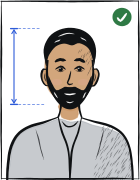
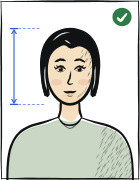
Quick answer: A USA DV lottery photo must be 51 × 51 mm. White or off-white background. Head occupies 50–69% of photo height. Neutral expression, glasses prohibited. Last verified .
USCIS does not accept glasses, apart from rare medical cases confirmed by documents; under the 2016 rule a photo the applicant submits in glasses is rejected. See full rules →
Lighting
Shadows and reflections not permitted.
Head covering
Religious reasons only; must not cover the facial oval.
USA DV lottery photo: size in mm, cm, inches and pixels
Millimetres
51 × 51 mm
Centimetres
5.1 × 5.1 cm
Inches
2 × 2″
Pixels at 300 dpi
602 × 602 px
Pixels at 600 dpi
1205 × 1205 px
USA-specific things to know
Square digital JPEG strict limits: exactly 600×600 px, ≤240KB
Same physical size (2×2 inch) as Green Card and passport
DV visa issuance paused since Dec 23, 2025; next registration window (DV-2027) not yet announced — new rules from April 10, 2026 add a $1 fee and a passport bio-page scan (JPEG, max 5 MB)
How DV lottery photos are verified
US Diversity Visa Lottery (DV / Green Card Lottery) photos are administered by the US Department of State via dvprogram.state.gov. The format is 2×2 inches (51×51mm square) with the head filling 50-69% of the image height.
Read more
Digital file: JPEG, square aspect ratio mandatory, 600×600 pixels, file size ≤240KB (very strict). Background plain white or off-white. No glasses, no hats (except religious), neutral expression, taken within 6 months.
Program status: DV visa issuance has been paused since December 23, 2025 pending a vetting review, and registration for the next cycle (DV-2027) has not opened — the Department says it will announce the start date, and the DV-2027 visa application period remains October 1, 2026 to September 30, 2027. New rules effective April 10, 2026: a $1 registration fee (no waivers), a scan of the passport biographic page uploaded with the entry (JPEG only, max 5 MB, no PDF), and immigrant-visa interviews scheduled in the applicant's country of residence (or nationality on request).
Examples and mistakes
What makes USA DV lottery photos accepted
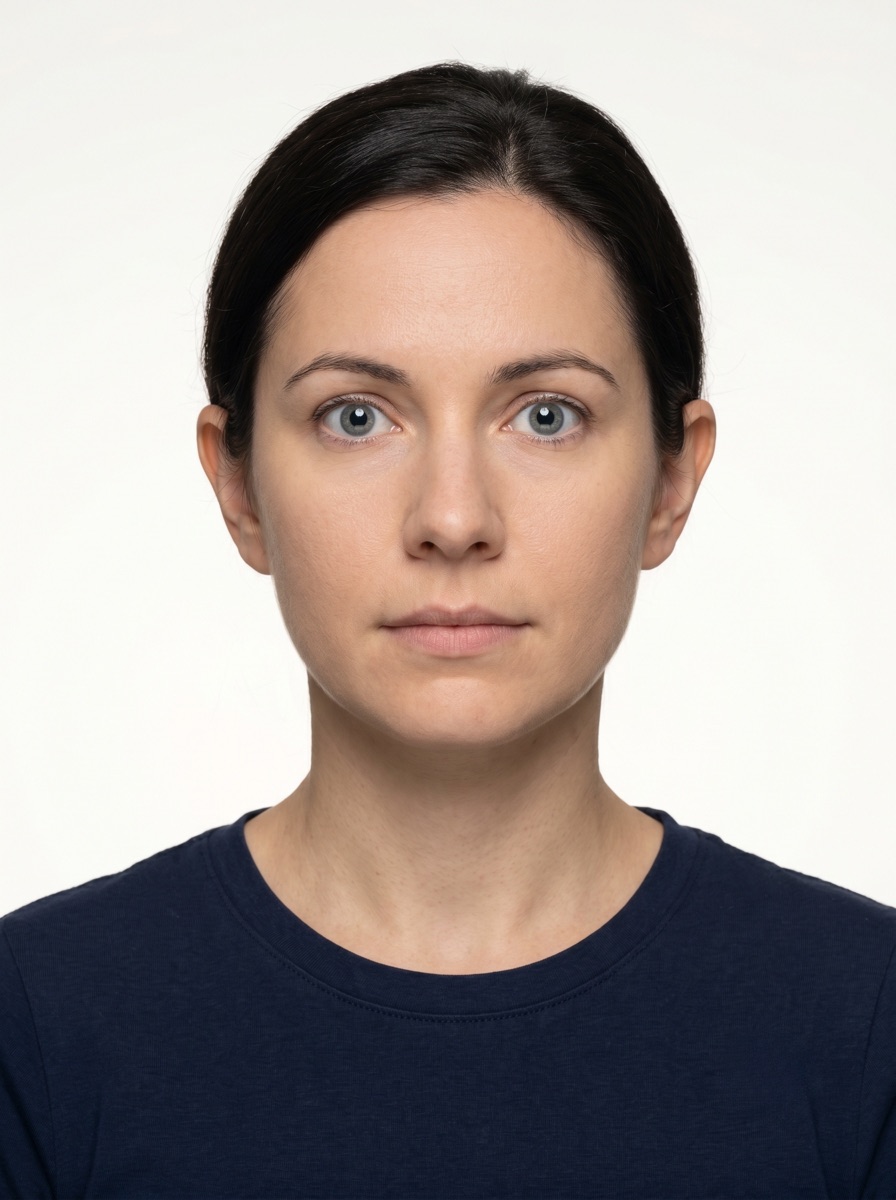
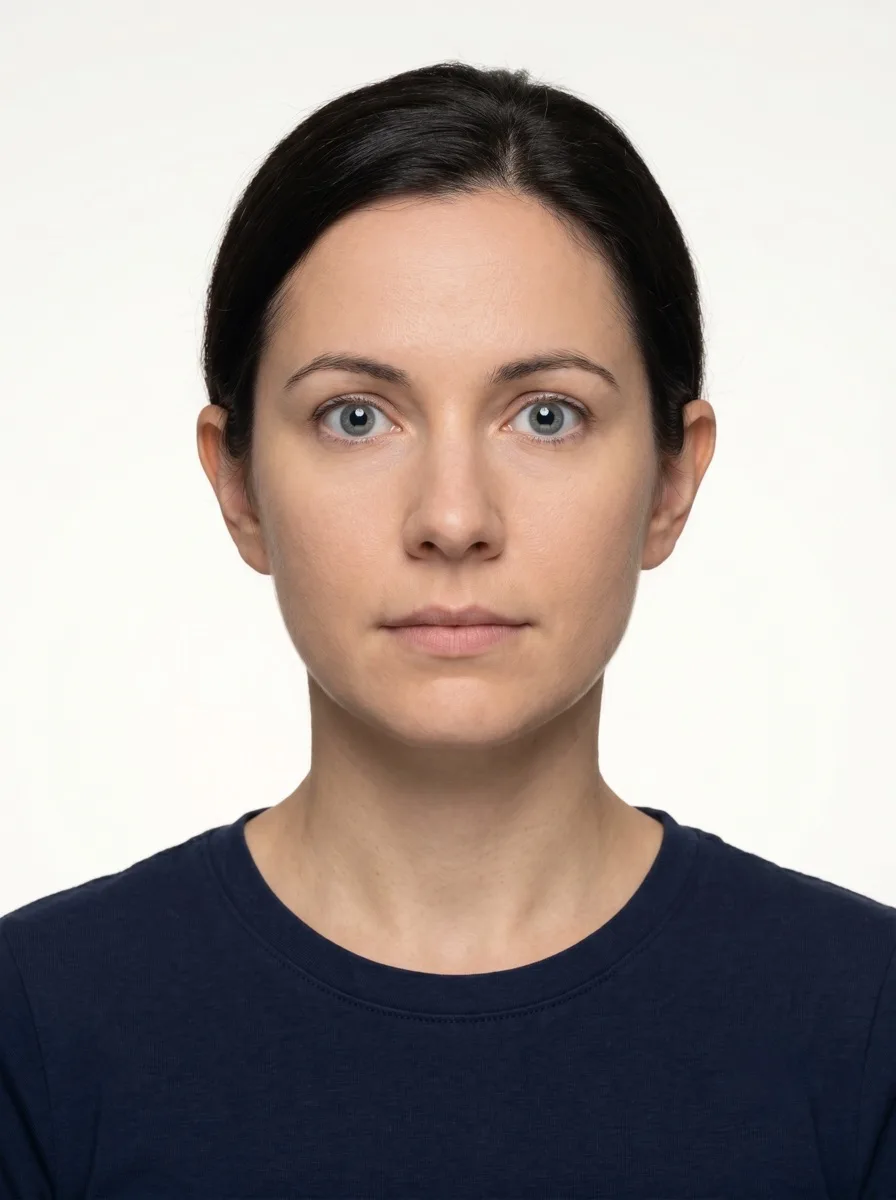
A photo that will be accepted, next to the six most common reasons USA DV lottery photos get rejected.
Accepted
Compliant USA DV lottery example (51 × 51 mm)
Face centred, looking directly into the lens
Plain background — no shadow, pattern or texture
Neutral expression, eyes open, mouth closed
No glasses, no hair across the face
Top 6 USA DV lottery rejection causes
Background shadowShadow on the wall behind the head, or background with a visible pattern or gradient
Smile / open mouthVisible smile with teeth or open mouth instead of a neutral expression
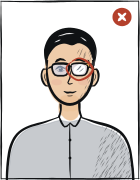
Glasses with glareGlasses with a clearly visible light reflection covering part of the eye
Hair across the faceLoose hair strands covering the eyes, eyebrows or part of the face
Eyes off-cameraEyes looking to the side instead of directly into the camera lens
Head tiltedHead tilted so the eye line is no longer horizontal
Typical rejection reasons and how to fix them
Common reasons a document photo is rejected, checked against the requirements U.S. Department of State publishes: what is wrong and what to change.
The tool puts in the required background. Stand half a metre from a plain light wall, face a window and shoot without flash — then there are no shadows on your face or on the wall.
Framing
Head: 50–69 % of the photo height
Camera at eye level, about a metre away; head and shoulders in the shot. The tool crops it to 51 × 51 mm.
Glasses
Glasses prohibited
Take them off before the shot.
Expression and gaze
Neutral expression, mouth closed, eyes open
Look straight into the lens with your head level; keep hair away from your eyes and eyebrows.
For Diversity Visa online entry, the U.S. Department of State requires a colour JPEG digital image taken within the last six months.
The DV image must be square, 600 × 600 px, and equal to or less than 240 kB.
If scanning an existing photo for DV, the source photo must be 2 × 2 inches (51 × 51 mm) and scanned at 300 ppi.
The official DV instructions state that submitting the same photograph as a prior year's entry makes you ineligible.
Questions
Frequently asked questions
Not with the Philippines as your country of eligibility. The Philippines is on the official ineligible list (DV-2026) because more than 50,000 natives immigrated to the United States in the previous five years. Two exceptions exist: you may claim your spouse's country of birth if it is eligible (you must both be named on the entry and enter the US together), or a parent's country of birth if neither of your parents was born in or legally resident in the Philippines at the time of your birth. If neither applies, the DV route is closed — for other US visa types you would follow the standard US visa photo requirements instead.
No date has been announced. The State Department deferred the DV-2027 registration period and says it will announce the start date as soon as practicable; the DV-2027 visa application period itself remains October 1, 2026 to September 30, 2027. Separately, DV visa issuance has been paused since December 23, 2025 while vetting procedures are reviewed. When registration opens, expect the rules in force since April 10, 2026: a $1 registration fee and a mandatory scan of your passport's biographic page (JPEG only, maximum 5 MB).
The USA DV lottery photo must be 51 × 51 mm. The head must occupy 50–69% of the photo height. For digital upload, use 600 × 600 px.
White or off-white background. The wall should be evenly lit, with no shadow around the head and no pattern. You don’t need a studio backdrop: the tool sets the right background colour.
Consulates usually ask for a photo taken within the last six months, sometimes within three. Take a new one that looks like you today.
Often yes, but not always: tourist, student, work and transit visas can have different size or background rules. Compare the requirements of each USA visa — if they match, one photo will do.
We refund the payment in full. Email us within 14 days of purchase with your order number and the consulate’s rejection notice.
USCIS does not accept glasses, apart from rare medical cases confirmed by documents; under the 2016 rule a photo the applicant submits in glasses is rejected.
51 × 51 mm = 5.1 × 5.1 cm = 2 × 2 inches. At 300 dpi that is 602 × 602 pixels; at 600 dpi, 1205 × 1205 pixels.
Religious reasons only; must not cover the facial oval. The face must stay fully visible from chin to forehead and on both sides, with no shadow across it.