Skip to content

Vietnam visa photo 40 × 60 mm

Updated

Quick answer: This Vietnam visa preset uses 40 × 60 mm with if the official source does not publish a separate background rule, use a plain light background without textures, shadows, or foreign objects. Neutral expression, glasses prohibited. It is based on official general guidance; verify the final submission route on the authority portal. Last verified .

Source-backedOfficial authority link
Free preview€4.99 to download HD
14-day refundIf rejected by authority
Official — generalVerified 2026-05-21
Create visa photo — free preview

No registration · result in 60 seconds

100% refund if the authority rejects the photo Refund policy →
Compiled and cited by Yevhen Kravchenko — pending external review Last cited Editorial policy

Photo requirements

Format40 × 60 mm
BackgroundIf the official source does not publish a separate background rule, use a plain light background without textures, shadows, or foreign objects.
PoseStrictly full face, head without rotation or tilt, shoulders level.
ExpressionNeutral expression, mouth closed, eyes open.
GlassesGlasses prohibited. See full rules →
LightingShadows, overexposure, and reflections not permitted.
Digital resolutionCheck the authority portal before digital upload
File formatJPEG · sRGB / 24-bit
File sizeCheck the authority portal before upload

How a visa photo is verified

Vietnamese e-visa photo verification is run by the Vietnam Immigration Department through the national e-visa portal at evisa.gov.vn. The spec is 40×60mm (4×6cm) — among the larger visa photo formats globally — with head height 32-36mm from chin to hair-top. Vietnam-specific: the 40×60mm size is the same as Egypt and Thailand-VOA, but different from the 35×45mm ICAO standard. Digital uploads accept JPG format up to 1024 KB (1 MB), minimum 300 DPI. Vietnamese visa applications also accept 2×2 inch (51×51mm) photos from US/Canada applicants as a convenience, but the 4×6cm format is preferred. Black-and-white photos and digital enhancements are explicitly rejected — Vietnam Immigration runs basic manipulation detection.

Local application route

AuthorityVietnam Immigration Department
SourceVietnam e-visa portrait requirements
Verified
ConfidenceOfficial — general
What the source confirms
  • The Vietnam Immigration Department e-visa portal requires a portrait photograph upload.
  • The portal says the portrait photograph must be under 50 KB.
  • It separately limits the passport data-page image to under 200 KB.
  • The full-text instruction says the photograph should show the applicant straight-looking and without glasses.
  • The source is official and document-specific, but it does not publish a print-size biometric matrix.
Still conservative because
  • Document-specific numeric head or eye-line constraints are not fully published in the official source.
  • Some generation prompt fields use conservative biometric fallback wording because the official public source does not publish them separately.

What makes a Vietnam visa photo accepted

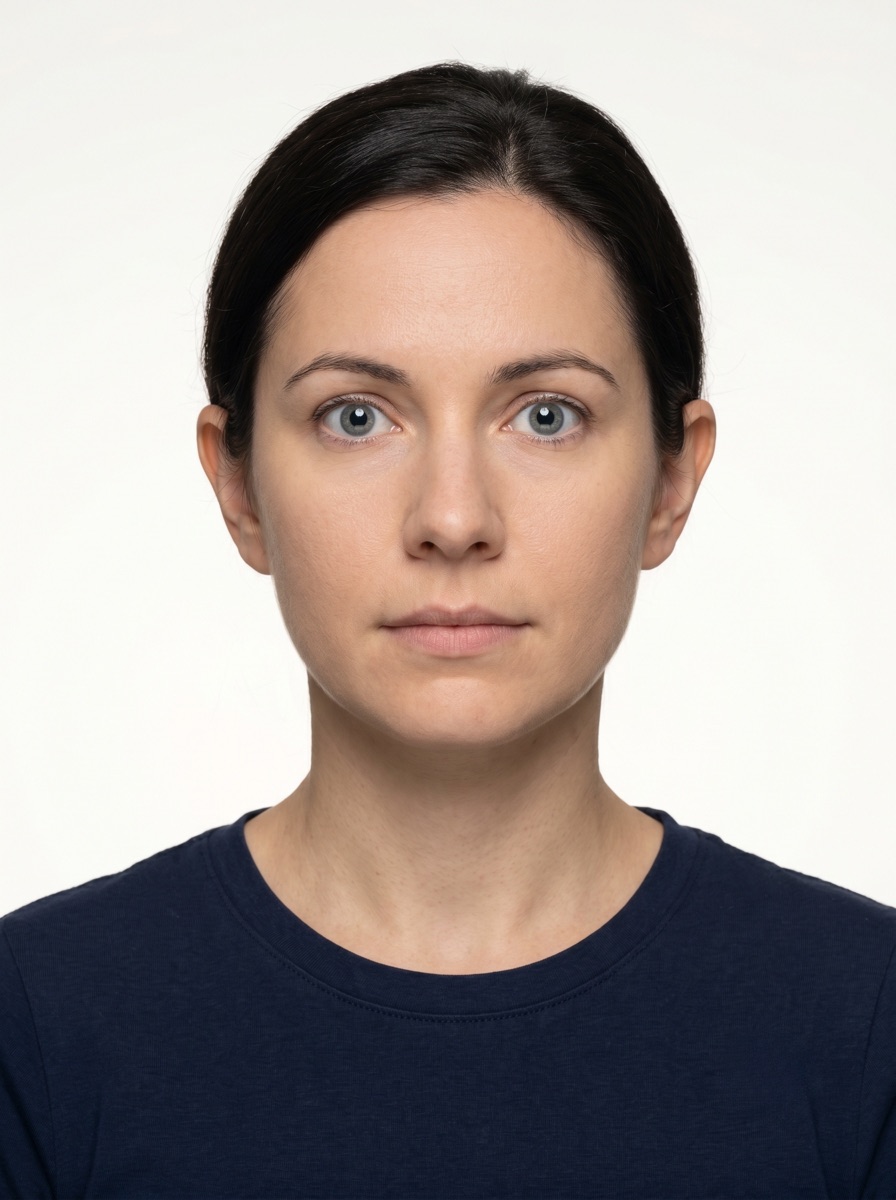
One compliant example next to the six most common rejection causes for Vietnam visa applications. The final decision always belongs to Vietnam Immigration Department, but these are the differences that most often determine whether a document photo is accepted.

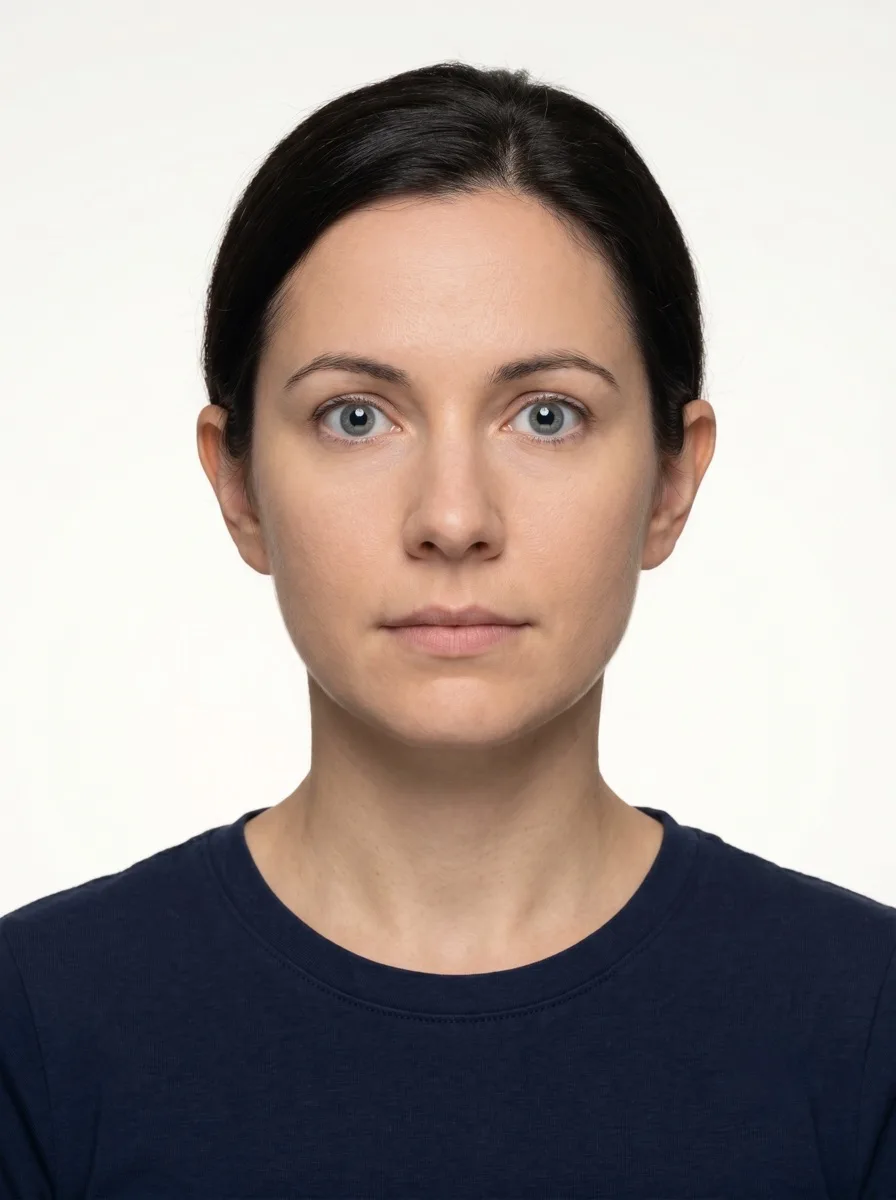
✓ Accepted Compliant Vietnam visa photo example (40 × 60 mm) — centered face, plain background, neutral expression, eyes open, even frontal lighting. Meets Vietnam Immigration Department biometric requirements.

Compliant Vietnam visa example (40 × 60 mm)

  • Face centred, looking directly into the lens
  • Plain background — no shadow, pattern or texture
  • Neutral expression, eyes open, mouth closed
  • No glasses, no hair across the face

Top 6 Vietnam visa rejection causes

Rejected Vietnam visa photo example — shadow on the wall behind the head, or background with a visible pattern or gradient. Vietnam Immigration Department would reject this for visa applications.
Background shadow Vietnam visa: Shadow on the wall behind the head, or background with a visible pattern or gradient
Rejected Vietnam visa photo example — visible smile with teeth or open mouth instead of a neutral expression. Vietnam Immigration Department would reject this for visa applications.
Smile / open mouth Vietnam visa: Visible smile with teeth or open mouth instead of a neutral expression
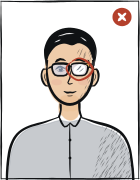
Rejected Vietnam visa photo example — glasses with a clearly visible light reflection covering part of the eye. Vietnam Immigration Department would reject this for visa applications.
Glasses with glare Vietnam visa: Glasses with a clearly visible light reflection covering part of the eye
Rejected Vietnam visa photo example — loose hair strands covering the eyes, eyebrows or part of the face. Vietnam Immigration Department would reject this for visa applications.
Hair across the face Vietnam visa: Loose hair strands covering the eyes, eyebrows or part of the face
Rejected Vietnam visa photo example — eyes looking to the side instead of directly into the camera lens. Vietnam Immigration Department would reject this for visa applications.
Eyes off-camera Vietnam visa: Eyes looking to the side instead of directly into the camera lens
Rejected Vietnam visa photo example — head tilted so the eye line is no longer horizontal. Vietnam Immigration Department would reject this for visa applications.
Head tilted Vietnam visa: Head tilted so the eye line is no longer horizontal
Current profile Format: 40 × 60 mm Background: If the official source does not publish a separate background rule, use a plain light background without textures, shadows, or foreign objects.

Prepare your Vietnam visa photo

Upload a portrait — the tool crops, removes the background and checks compliance against the 40 × 60 mm rule automatically.

How to take a Vietnam visa photo correctly

Background setup

Stand 1–2 metres from a plain, light-coloured wall — match If the official source does not publish a separate background rule, use a plain light background without textures, shadows, or foreign objects. The gap eliminates shadow on the wall behind you. Consular automated pre-screening rejects photos with patterned wallpaper or any background colour gradient.

Lighting

Face a large window during daylight hours. Even frontal light prevents shadow under the brow ridge and beside the nose — two of the most common rejection triggers for consular visa applications.

Head position

Look straight at the camera. Keep your head level and centred in the frame. Even a 3–5° tilt is flagged by the consular ICAO alignment check before a human reviewer sees the application.

Shoulder position

Both shoulders square to the camera. Visa photos are biometrically checked against the same reference standard as passports — turned shoulders shift the perceived face centre.

Eyewear

Glasses prohibited For visa photos, consular pre-screening is particularly strict on glasses glare. If you must wear glasses for medical reasons, document this in your application.

Expression

Neutral expression, mouth closed, eyes fully open and looking directly at the lens. No smile, no raised eyebrows, no parted lips. Match the expression of someone sitting for an official photograph, not a friendly portrait.

Attire

Deep solid colours photograph cleanest against a light background. Avoid white tops (they merge with the background), uniforms, religious headwear except where permanent and documented, and any large jewellery near the face or neck.

Final check before upload

Verify the photo dimensions match 40 × 60 mm, the head occupies –% of the height, both eyes are clearly visible, and the background matches the rule above. The tool catches most issues automatically but a manual check prevents surprises.

Authority rejection codes

Vietnam Immigration Department publishes the following rejection codes. Knowing the exact code on your notice tells you precisely what to fix in the reshoot.

CodeReasonFix
VN-V-01 Wrong photo size (most ICAO 35×45mm photos rejected) Use 4×6cm (40×60mm) or US 2×2 inch alternate
VN-V-02 Digital file above 1024 KB or below 300 DPI Re-encode within evisa.gov.vn spec
VN-V-03 Black-and-white photo Re-shoot in colour
VN-V-04 Digital enhancements detected Submit unedited capture
VN-V-05 Background not plain white or light Plain uniform — patterns rejected

Vietnam-specific things to know

Top reasons Vietnam visa photos get rejected

Frequently asked questions

This Vietnam visa preset uses 40 × 60 mm based on the official guidance available for this route. Many consulates also require a specific digital file size — see the spec table above for full details.

Related documents

Compare

Photo rules & guides

Anfas.Pro is an independent tool and is not affiliated with any government authority. The final decision to accept or reject a document photo rests solely with the issuing authority. Requirements change — always verify on the official authority portal before submitting.