 Estonia
Estonia e-Residency Photo Requirements 2026: 1300x1600 px Size & PBGB Rules
To apply for Estonia e-Residency, a digital photo must be at least 1300x1600 pixels in size, have a file size between 1 and 5 MB, and be uploaded to the PBGB system.
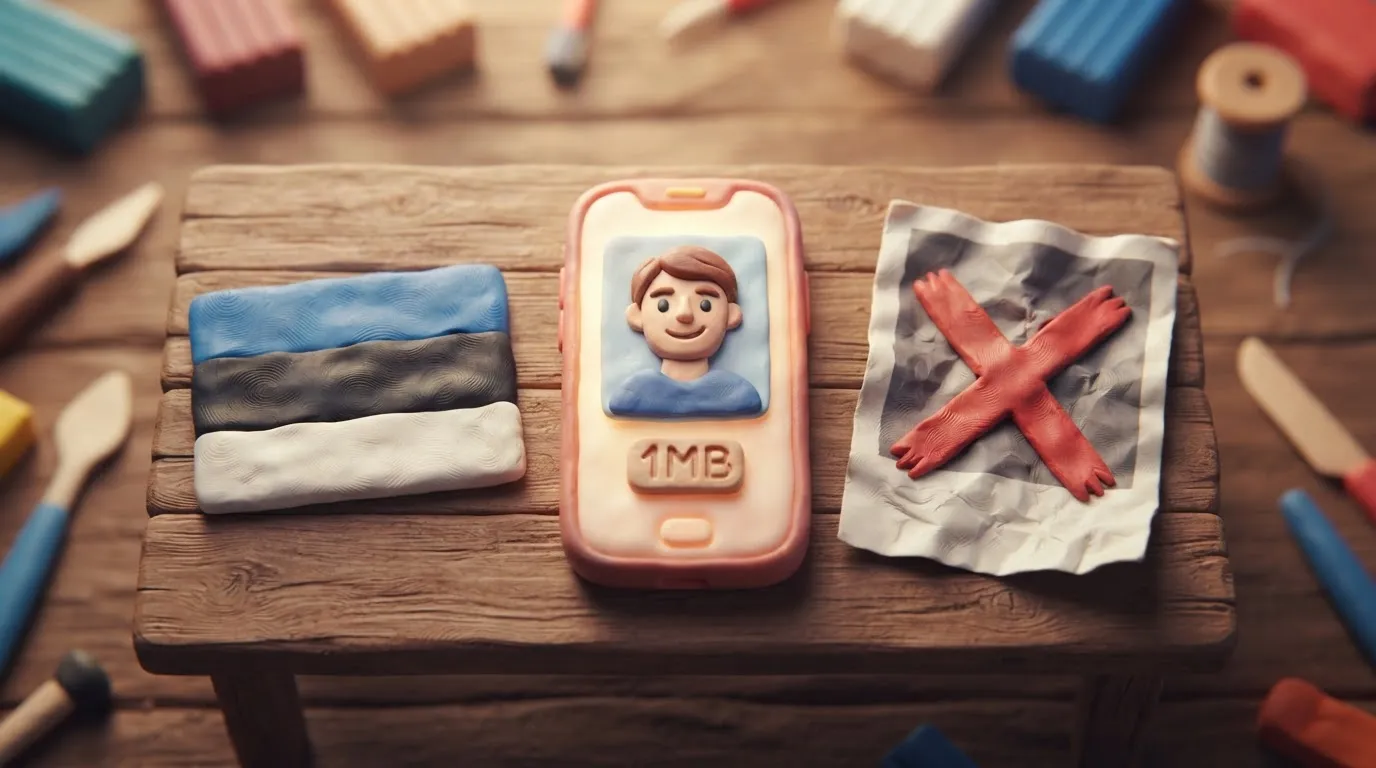
In this article · 6 sections
Key points
5 points- The minimum resolution of the digital photo is 1300 x 1600 pixels.
- The file size must be between 1 MB and 5 MB in .jpg or .jpeg format.
- The photo must be taken no earlier than 6 months before submitting the application.
- Scanned photos and screenshots are strictly prohibited.
- The state fee for processing an e-Residency application is 150 euros.
Main rule: To successfully apply for Estonia e-Residency status, the digital photo must meet the strict technical standards of the Police and Border Guard Board (PBGB). The minimum resolution is 1300x1600 pixels, and the file size is from 1 MB to 5 MB.
What has changed
Estonia continues to digitize its services, but the requirements for biometric data quality remain high. When submitting an online application through the PBGB environment, the system automatically checks the technical parameters of the uploaded file. If the photo does not meet the standards, the processing of the application will be suspended.
| Parameter | PBGB requirement for e-Residency |
|---|---|
| Minimum resolution | 1300 x 1600 pixels |
| File size | from 1 MB to 5 MB |
| File format | .jpg or .jpeg |
| Photo age | no older than 6 months |
| Acceptability of scans/screenshots | Strictly prohibited |
EstoniaDocument Photo · requirements
Who this affects
These rules apply to all foreigners, including Ukrainian entrepreneurs, freelancers, and IT specialists, who are submitting an initial application for e-Residency status or renewing their digital ID card after its 5-year validity period expires. The state fee for processing the application is 150 euros.
What to do now
- Take a high-quality digital photo: Ask someone to take a picture of you (selfies are not accepted). The background must be light, plain, and free of foreign objects or shadows.
- Check the file size: Make sure the file is larger than 1 MB (but no more than 5 MB). Avoid sending the photo via messengers (Telegram, Viber), as they compress files and reduce their size below the acceptable minimum.
- Do not edit the image: It is forbidden to use any filters, retouching programs, or change the background in graphic editors.
- Upload the original: When filling out the application on the PBGB portal, upload the original file in .jpg or .jpeg format.
Common mistakes
- Uploading screenshots or scans: The PBGB explicitly prohibits the use of scanned paper photos or screenshots from a computer/phone.
- Insufficient file size: If the photo is smaller than 1 MB, the system will not accept it.
- Presence of accessories: There should be no headwear (except for religious ones worn daily) or headphones in the photo. The face must be completely visible.
Rules change frequently — before taking action, always check the current requirements on the official government source provided above.
05Questions
3 answers01Can I take the e-Residency photo myself on a phone?
Yes, you can take the photo at home on a digital camera or smartphone, but it must not be a selfie. Ask someone to photograph you against a light, plain background, adhering to the size (minimum 1300x1600 px) and file size (from 1 MB) requirements.
02What happens if I upload a scanned photo?
The Police and Border Guard Board (PBGB) strictly prohibits the use of scanned photos or screenshots. Such a photo will be rejected, leading to a delay in processing your application.
03What is the state fee for e-Residency?
The state fee for processing an application to obtain or renew an e-Residency digital ID card is 150 euros.
06Official sources
- Official e-Residency website
e-resident.gov.ee - Estonian Police and Border Guard Board (PBGB)
politsei.ee
Author: Yevhen Kravchenko. Published . Checked against official sources on .
EstoniaEstonia Passport Photo: Free PPA Booth Photo Valid 183 Days, or Your Own at 1300 x 1600 Pixels
The PPA booth photo is free in every service office, usable 183 days.
 Lithuania
 LatviaEstonia
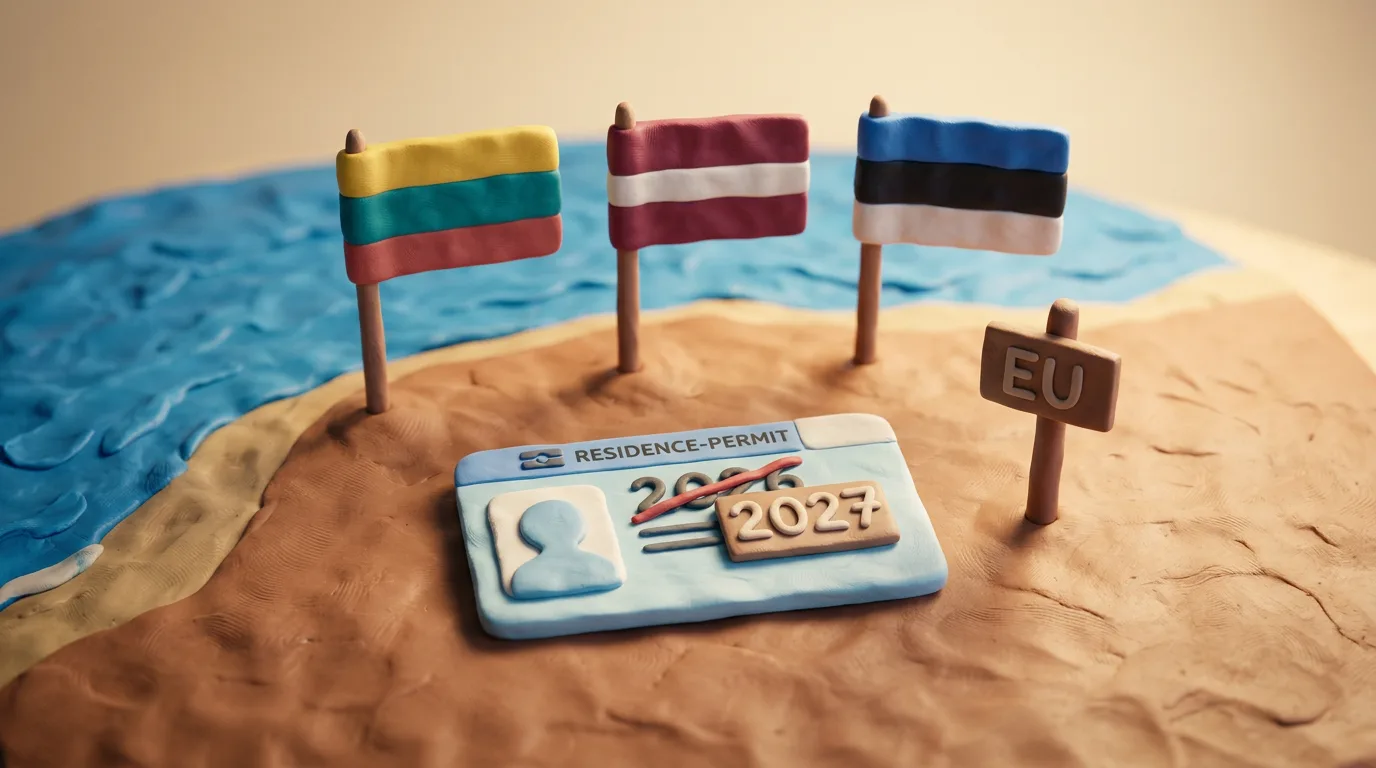
Temporary protection in the Baltic states extended to 4 March 2027: what differs in Lithuania, Latvia and Estonia
Lithuania, Latvia and Estonia have extended temporary protection for Ukrainians until 4 March 2027 following the Council of the EU decision, but the renewal rules and language requirements in the three countries differ substantially.
Make the photo for this document
Upload a selfie — we crop it to 40 × 50 mm, replace the background and check it against the document rules. Free.
Document Photo · EstoniaUpload