 Malta
MaltaMalta Passport, Visa & Residence Photo 2026: Identità Requirements & Size Differences
Malta passports traditionally require a 30x40 mm photo, while Schengen visas use the 35x45 mm standard; biometrics for residence permits are often taken on-site.
Key points
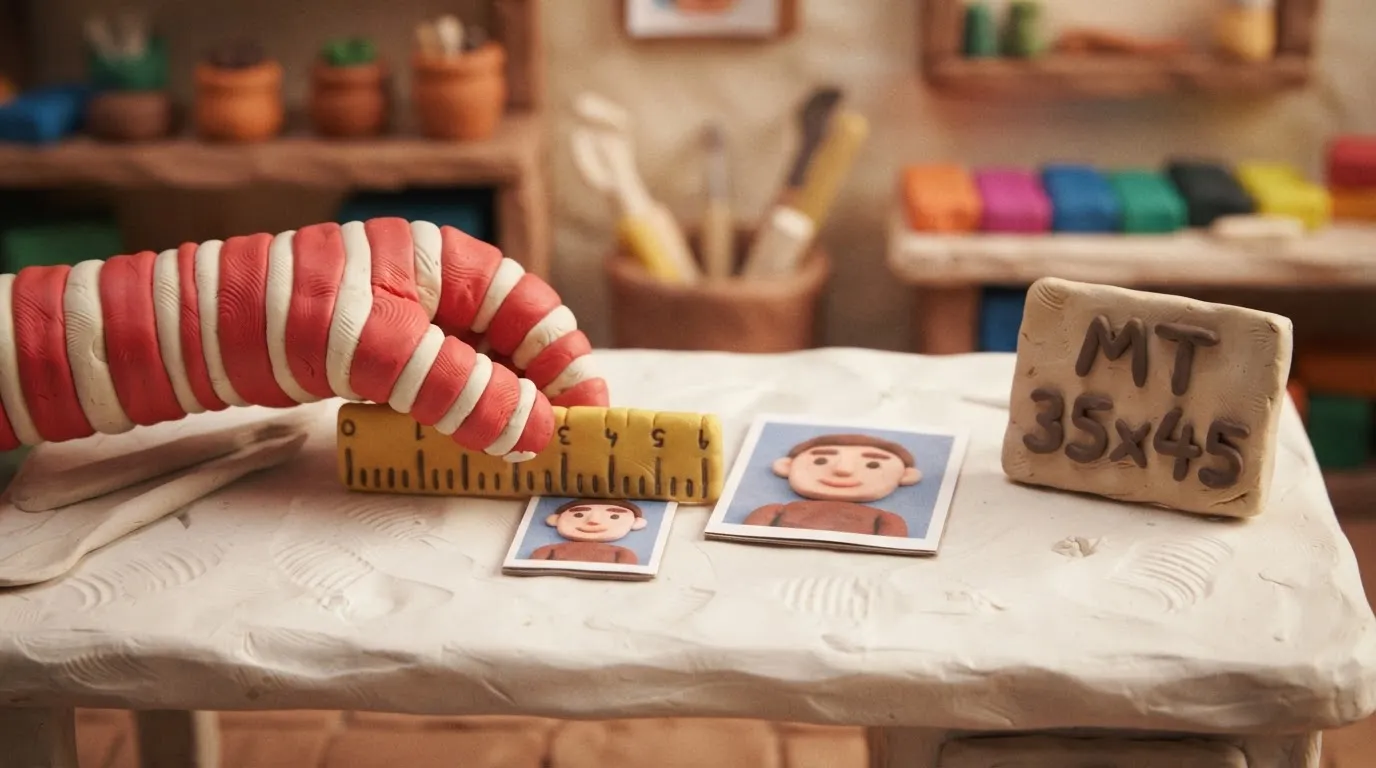
4 points- Size difference: A Malta passport usually requires a 30x40 mm photo (40 mm high, 30 mm wide), while a Schengen visa requires 35x45 mm.
- On-site biometrics: For a residence permit (e-Residence card), photos are most often taken directly at the Identità office.
- Conflicting data: The FAQ section on the Identità website mentions a 45x35 mm size for passports, so before submitting paper photos, you should clarify the requirements for your specific form.
- General rules: White background, neutral facial expression, photo no older than 6 months, no glasses.
What has changed and current requirements
In 2026, when applying for documents in Malta (visas, passports, residence permits), applicants face different photo size requirements. The main confusion arises between the 30x40 mm and 35x45 mm formats. The official agency Identità (formerly Identity Malta) has different standards depending on the document type.
According to official instructions, a Maltese passport traditionally requires a photo measuring 40 mm in height and 30 mm in width. However, the standard European size of 35x45 mm applies to Schengen visas. It is worth noting that the frequently asked questions (FAQ) section on the Identità website also mentions a 45x35 mm size for passports, which creates additional confusion.
Comparison of photo requirements
| Parameter | Malta Passport | Schengen Visa (Malta) |
|---|---|---|
| Size (W x H) | 30 x 40 mm (or 35 x 45 mm according to FAQ) | 35 x 45 mm |
| Face size | 70-80% of photo height | 70-80% of photo height |
| Background | Pure white | White or light grey |
| Validity period | No older than 6 months | No older than 6 months |
MaltaPassport · requirements
Who this applies to
These rules apply to Ukrainians and other foreigners applying for a Maltese Schengen visa, as well as Maltese citizens applying for a passport. For those applying for a residence permit (e-Residence card), the situation is simpler: in most cases, biometric data (photo, fingerprints, and signature) are captured directly at the Identità office during a personal visit.
What to do now
- Check your application form: Always read the instructions for your specific form (e.g., Form A for a passport), as requirements may vary.
- Get the correct size photo: If you are applying for a visa, request a standard 35x45 mm photo. If for a passport, check with the consulate or the Identità website whether the 30x40 mm or 35x45 mm format is required.
- Follow general ICAO rules: Remove glasses (even prescription ones), ensure your mouth is closed, your facial expression is neutral, and the background is white and shadow-free.
- Do not edit the photo: Any retouching or use of filters will result in the photo being rejected.
Common mistakes
- Submitting a 35x45 mm photo instead of 30x40 mm: Although 35x45 mm is the EU standard, some Maltese passport forms still require 30x40 mm.
- Photos with glasses: Identità clearly states that glasses (even reading glasses) must be removed before taking the photo.
- Incorrect background: Using a colored or dark background instead of pure white.
- Old photos: Submitting photos that are older than 6 months or have already been used in previous visas or passports.
Rules change frequently — always check the current requirements on the official government source provided above before taking action.
05Questions
3 answers01What photo size is required for a Schengen visa to Malta?
A standard 35x45 mm photo on a light background is required for a Schengen visa.
02Do I need to bring a photo for a residence permit application (Identità)?
Usually, a biometric photo is taken directly at the Identità office when submitting documents, but paper photos may be required for some specific applications.
03Can I wear glasses in the photo?
No, according to Identità rules, glasses (even prescription ones) must be removed to avoid glare and obscuring the eyes.
06Official sources
- Identità: Passport Requirements
identita.gov.mt
Author: Yevhen Kravchenko. Published . Checked against official sources on .
 Schengen Area
 Spain
Spain Finland+3
EU passport photo size: why there is no single EU standard
Council Regulation (EC) No 2252/2004 requires a highly secure storage medium containing a facial image, but pan-European rules regarding the exact dimensions of the printed photo are not published in accessible sources.
 Malta
MaltaTemporary protection in Malta for Ukrainians: residence permit, renewal and the right to work
A step-by-step guide for Ukrainians in Malta: obtaining temporary protection through IPA, getting a residence card at Identità, renewal, validity until 4 March 2027, and rights to work, healthcare and social benefits. We also explain separately how temporary protection differs from Malta's SRA status.
Make the photo for this document
Upload a selfie — we crop it to 30 × 40 mm, replace the background and check it against the document rules. Free.
Passport · MaltaUpload