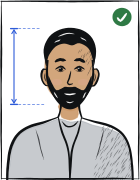
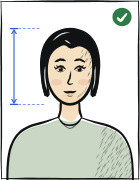
Quick answer: The recommended India visa photo size is 51 × 51 mm. White or off-white background. Head occupies 49–69% of photo height (25–35 mm chin to crown). Neutral expression, glasses prohibited. Last verified .
India visa photo: size in mm, cm, inches and pixels
Millimetres
51 × 51 mm
Centimetres
5.1 × 5.1 cm
Inches
2 × 2″
Pixels at 300 dpi
602 × 602 px
Pixels at 600 dpi
1205 × 1205 px
India-specific things to know
Square 51×51mm format (2×2 inch) — one of few square visa specs
No glasses allowed since September 2025 — no medical exception
JPEG 10-300KB on the regular consular visa portal — the e-Visa portal accepts a larger file, so 300KB is the safe target for either route
Pixel range: 350×350 to 1000×1000
Head height 25-35mm (50-69% — looser than ICAO 70-80%)
How visa photos are verified
India visa photos are administered by the Bureau of Immigration / Government of India through indianvisaonline.gov.in. The format is 51×51mm (2×2 inch square) — one of few square passport-photo specs worldwide.
Read more
Digital upload: 350×350 to 1000×1000 px JPEG. The file-size cap depends on the route: the regular (consular) visa portal caps the photo at 10-300KB, while the e-Visa portal accepts a larger JPEG — so a file inside 10-300KB is safe on either route.
Head height 25-35mm (1 inch to 1⅜ inches). Background must be plain white or very light. Critical update: Since September 2025, glasses are not permitted in Indian visa photos — no exceptions even for prescription glasses.
Neutral expression, no smiling, taken within 6 months.
Examples and mistakes
What makes India visa photos accepted
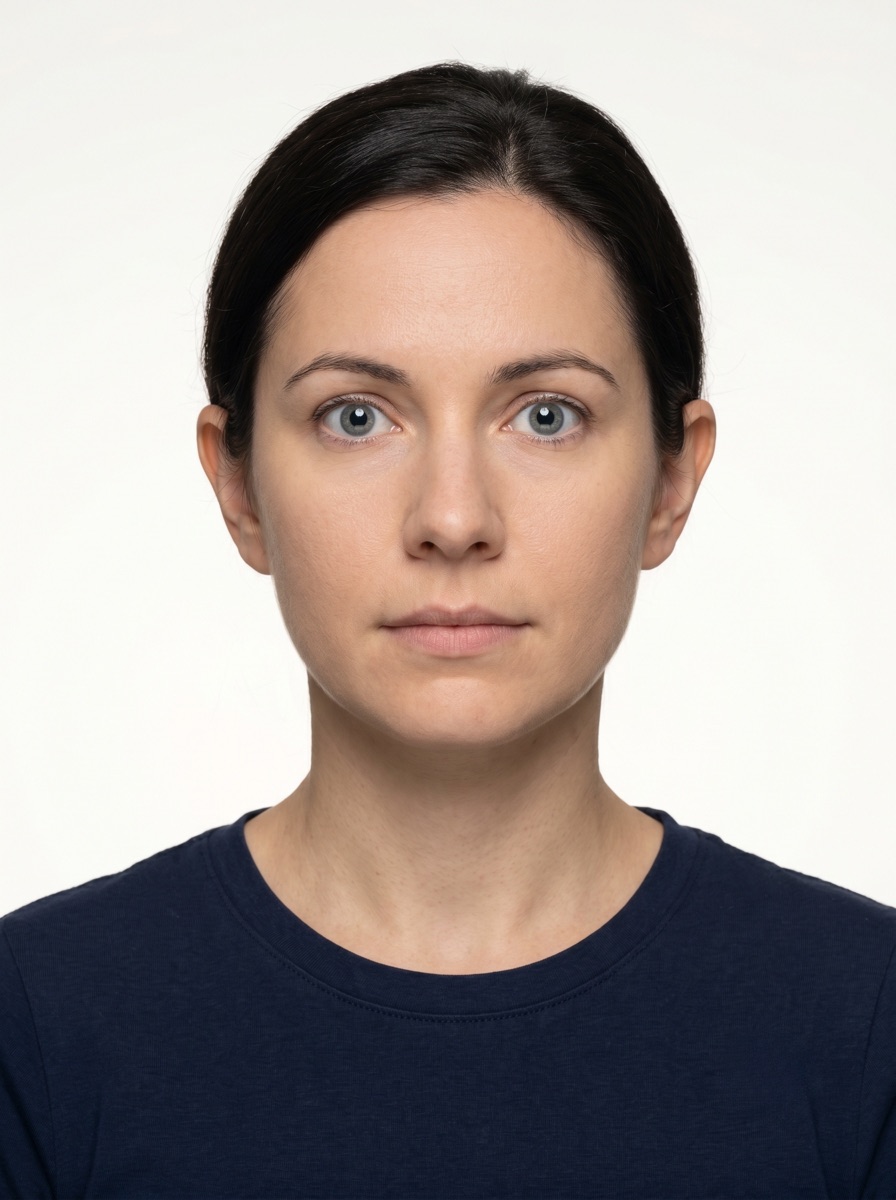
A photo that will be accepted, next to the six most common reasons India visa photos get rejected.
Accepted
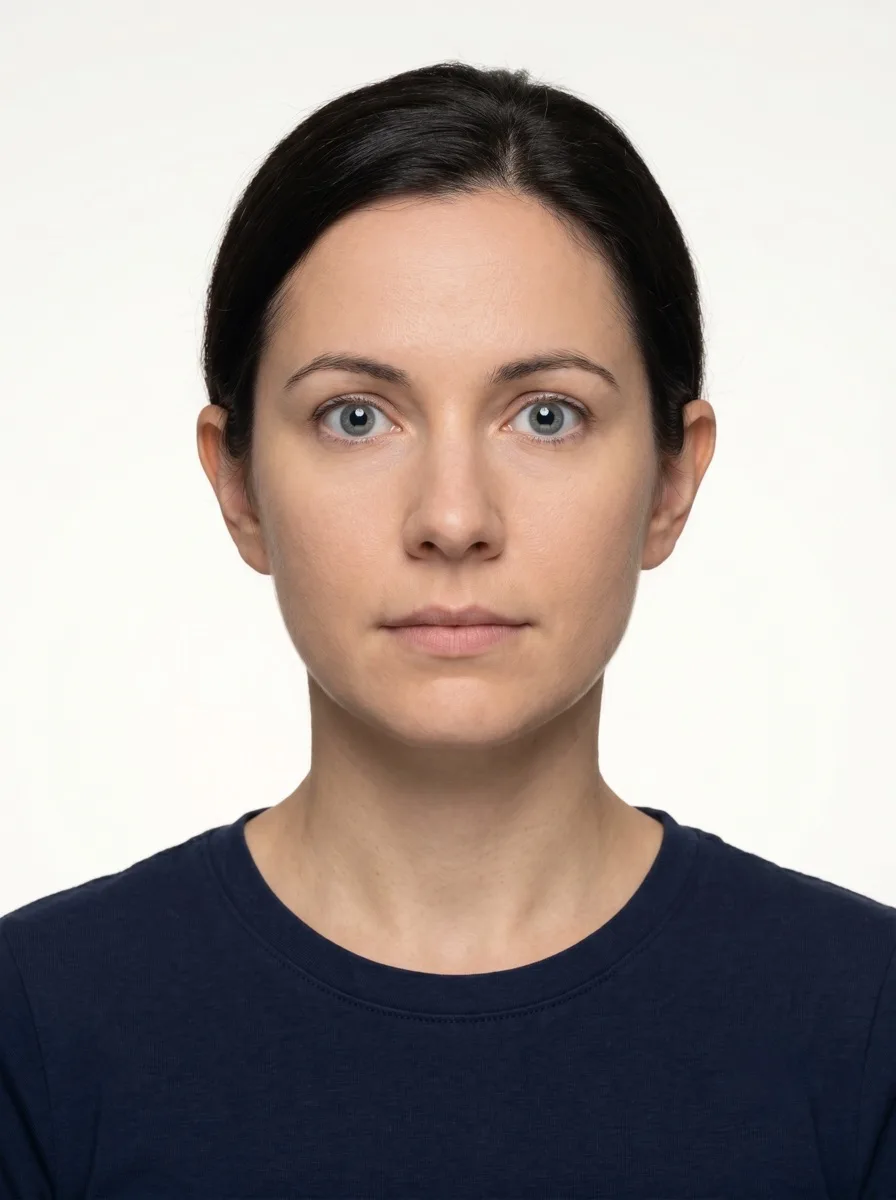
Compliant India visa example (51 × 51 mm)
Face centred, looking directly into the lens
Plain background — no shadow, pattern or texture
Neutral expression, eyes open, mouth closed
No glasses, no hair across the face
Top 6 India visa rejection causes
Background shadowShadow on the wall behind the head, or background with a visible pattern or gradient
Smile / open mouthVisible smile with teeth or open mouth instead of a neutral expression
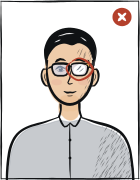
Glasses with glareGlasses with a clearly visible light reflection covering part of the eye
Hair across the faceLoose hair strands covering the eyes, eyebrows or part of the face
Eyes off-cameraEyes looking to the side instead of directly into the camera lens
Head tiltedHead tilted so the eye line is no longer horizontal
Typical rejection reasons and how to fix them
Common reasons a document photo is rejected, checked against the requirements Government of India / Bureau of Immigration publishes: what is wrong and what to change.
Reason
Fix
Photo not square (51×51mm or pixel 350-1000²)
Re-crop to square aspect ratio
Glasses worn (since Sep 2025)
Re-shoot without glasses — no medical exception
JPEG outside the 10-300KB range the regular consular visa portal accepts
Re-encode to 10-300KB — that range is accepted on either route
The tool puts in the required background. Stand half a metre from a plain light wall, face a window and shoot without flash — then there are no shadows on your face or on the wall.
Framing
Head: 49–69 % of the photo height (25–35 mm)
Camera at eye level, about a metre away; head and shoulders in the shot. The tool crops it to 51 × 51 mm.
Glasses
Glasses prohibited
Take them off before the shot.
Expression and gaze
Neutral expression, mouth closed, eyes open
Look straight into the lens with your head level; keep hair away from your eyes and eyebrows.
Print at 100% scale, borderless, and turn off fit-to-page so each photo keeps its exact size.
Where to submit your visa application
India visa applications are administered by the Bureau of Immigration through the indianvisaonline.gov.in portal. The e-visa route is available to 170+ nationalities.
India e-Visa online (indianvisaonline.gov.in)online
Photo: 51×51mm square (2×2 inch), white/very light background. This portal accepts a JPEG of 10 KB to 1 MB; its separate 10-300 KB limit is for the scanned passport bio-page in PDF, not for the photo. Critical since September 2025: no glasses allowed — no medical exception.
Indian Visa Online allows regular visa applicants to upload a digital photograph to complete the application.
The regular (consular) visa portal requires JPEG format, 10-300 KB file size and equal photo height and width.
The e-Visa portal publishes a different photo limit: JPEG, minimum 10 KB and maximum 1 MB. The 10-300 KB limit on that portal applies to the scanned passport bio-page, which is uploaded as a PDF, not to the photo.
The uploaded photo must show full face, front view and open eyes, with the head centred from top of hair to bottom of chin.
The official portal requires a plain light-coloured or white background, no shadows on the face or background, and no borders.
Questions
Frequently asked questions
Since September 2025 the Indian Bureau of Immigration enforces a no-glasses rule for e-visa photo uploads with no medical exception. Before September 2025, prescription glasses with clear lenses were tolerated. Now all eyewear must be removed for the photo. This is a tightened regulatory enforcement, not a new rule per se.
It depends on the route, and this is the most common misunderstanding about Indian visa photos. The e-Visa portal accepts a JPEG of 10 KB to 1 MB, so a normal phone photo often needs no compression at all; the 10-300 KB figure people quote for the e-Visa is the limit for the scanned passport bio-page, which is uploaded as a PDF. The regular (consular) visa portal is the one that caps the photo itself at 10-300 KB. If you are not sure which route you are applying through, keep the photo inside 10-300 KB — that size is accepted on both, and over-compressing a photo down from 1 MB is what usually ruins the sharpness.
Indian visa adopted the US-style 2×2 inch (51×51 mm) square format historically, predating ICAO 9303 standardisation in the region. Pakistan and Bangladesh use the 35×45 mm rectangular standard. Bringing a 35×45 mm photo to an Indian e-visa application means automatic rejection.
The recommended size for the India visa photo is 51 × 51 mm. The head occupies 49–69% of the photo height. For digital upload, use 350 × 350 to 1000 × 1000 px.
White or off-white background. The wall should be evenly lit, with no shadow around the head and no pattern. You don’t need a studio backdrop: the tool sets the right background colour.
Consulates usually ask for a photo taken within the last six months, sometimes within three. Take a new one that looks like you today.
Often yes, but not always: tourist, student, work and transit visas can have different size or background rules. Compare the requirements of each India visa — if they match, one photo will do.
We refund the payment in full. Email us within 14 days of purchase with your order number and the consulate’s rejection notice.
51 × 51 mm = 5.1 × 5.1 cm = 2 × 2 inches. At 300 dpi that is 602 × 602 pixels; at 600 dpi, 1205 × 1205 pixels.
Religious reasons only; must not cover the facial oval. The face must stay fully visible from chin to forehead and on both sides, with no shadow across it.