SourceMinistry of the Interior, Algeria — passeport.interieur.gov.dz
Verified
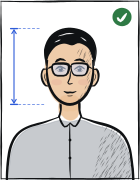
Quick answer: A Algeria ID card photo must be 35 × 45 mm. Plain white background. Head occupies 71–80% of photo height (32–36 mm chin to crown). Neutral expression, clear lenses only, no glare. Last verified .
Algeria ID card photo: size in mm, cm, inches and pixels
Millimetres
35 × 45 mm
Centimetres
3.5 × 4.5 cm
Inches
1.38 × 1.77″
Pixels at 300 dpi
413 × 531 px
Pixels at 600 dpi
827 × 1063 px
Algeria-specific things to know
Bare head: no head covering, niqab or decorative object; neutral expression with the mouth closed; glasses are optional, but the frames must not be thick or hide the eyes, the lenses must not be tinted or coloured and there must be no reflections.
How ID card photos are verified
Algeria identity card photos are reviewed at the issuing authority — typically a local government office, police station or municipal registry. The review checks dimensions, background, lighting and that the applicant's face is unobstructed and matches the data in the application file. Many authorities now run an automated ICAO alignment check before the document is printed.
Identity card photos must reflect the holder's natural everyday appearance. Unlike passport photos, ID cards are often used in daily life for age verification, banking and domestic travel, so the photo is scrutinised more frequently and over a shorter document lifetime — typically five years.
Ears must be fully visible in some Algeria identity card specifications — check the profile above before shooting.
Submit a photo that reflects your current everyday appearance, not a stylised portrait.
Examples and mistakes
What makes Algeria ID card photos accepted
One compliant example next to the six most common rejection causes for Algeria ID card applications. These are the differences that most often determine whether a document photo is accepted.
Accepted
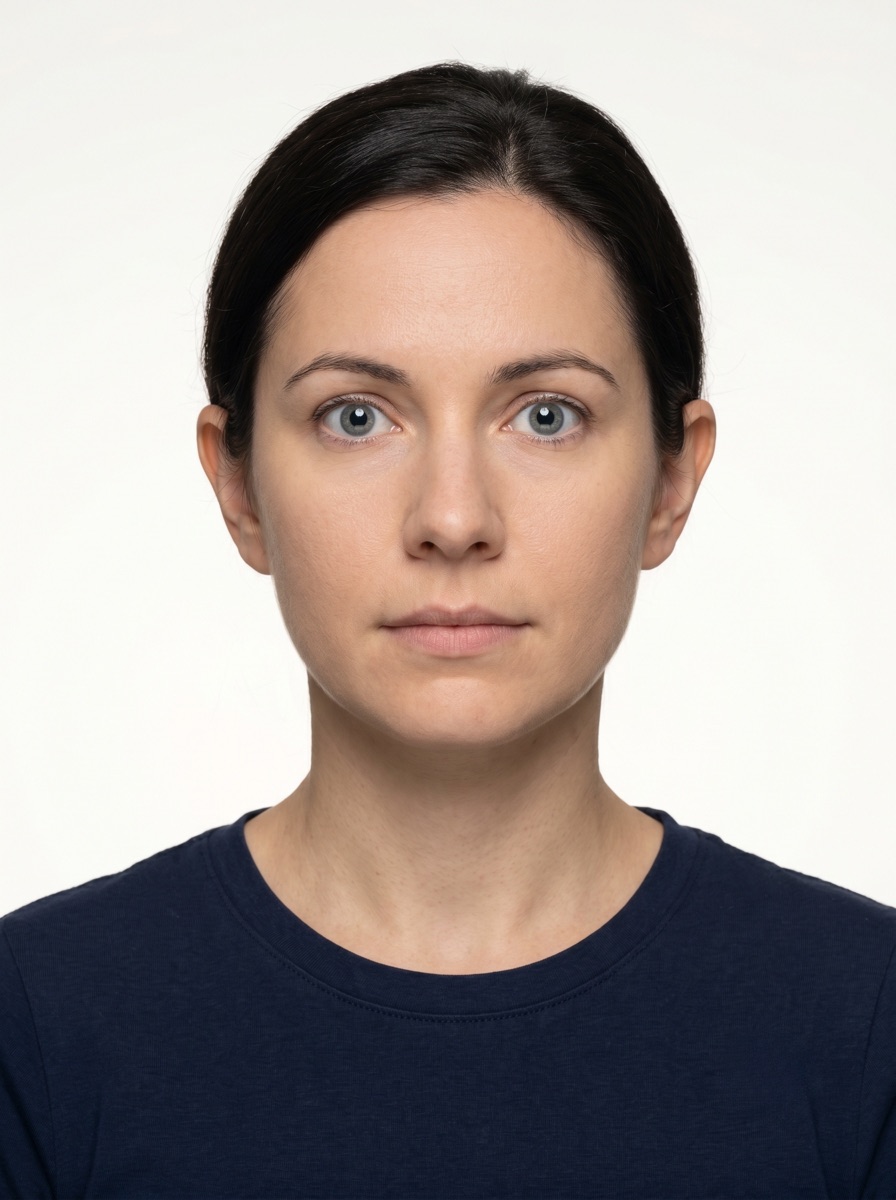
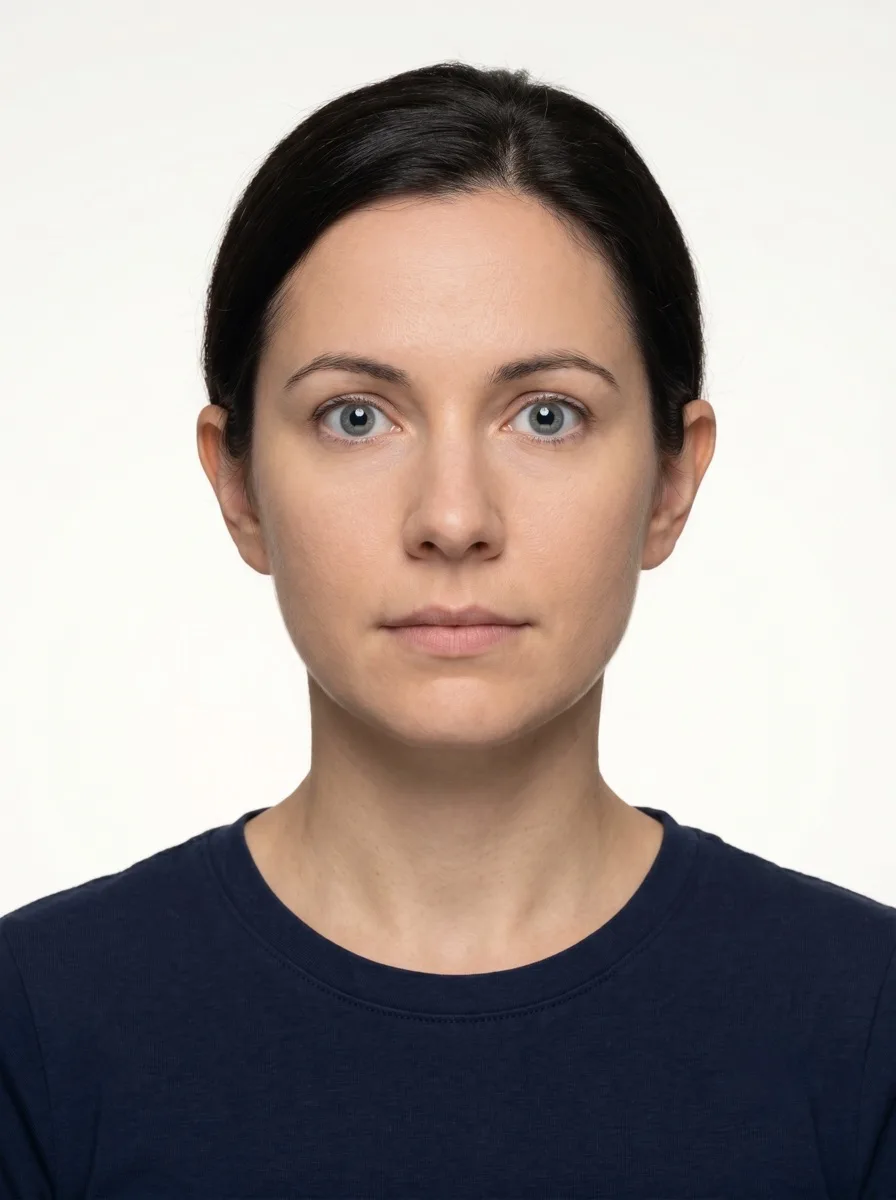
Compliant Algeria ID card example (35 × 45 mm)
Face centred, looking directly into the lens
Plain background — no shadow, pattern or texture
Neutral expression, eyes open, mouth closed
No glasses, no hair across the face
Top 6 Algeria ID card rejection causes
Background shadowShadow on the wall behind the head, or background with a visible pattern or gradient
Smile / open mouthVisible smile with teeth or open mouth instead of a neutral expression
Glasses with glareGlasses with a clearly visible light reflection covering part of the eye
Hair across the faceLoose hair strands covering the eyes, eyebrows or part of the face
Eyes off-cameraEyes looking to the side instead of directly into the camera lens
Head tiltedHead tilted so the eye line is no longer horizontal
The tool puts in the required background. Stand half a metre from a plain light wall, face a window and shoot without flash — then there are no shadows on your face or on the wall.
Framing
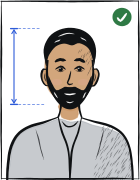
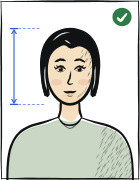
Head: 71–80 % of the photo height (32–36 mm)
Camera at eye level, about a metre away; head and shoulders in the shot. The tool crops it to 35 × 45 mm.
Glasses
Clear lenses only, no glare
If you wear glasses, check the shot: no glare on the lenses, eyes clearly visible.
Expression and gaze
Neutral expression, mouth closed, eyes open
Look straight into the lens with your head level; keep hair away from your eyes and eyebrows.
Photograph 35 × 45 mm; head from chin to crown 32–36 mm.
Background: plain white.
Questions
Frequently asked questions
The Algeria ID card photo must be 35 × 45 mm. The head must occupy 71–80% of the photo height. The photo must reflect your current everyday appearance.
Plain white background. Identity cards are used frequently in daily life — for banking, age verification and domestic travel — so the photo is scrutinised many times and minor background issues become more visible at print scale.
Yes. Stand against a flat light-coloured wall, face a window for even natural light, and use a phone with a timer. The tool handles the crop, background normalisation and ICAO alignment check automatically.
Identity card photos generally need to reflect your current appearance. Most authorities accept photos taken within the last six months, but significant changes to hair, beard or facial features since the photo was taken may require a new one.
No tinted lenses or reflections; frame must not cover the eyes. Removing glasses for the shoot is the safest option, especially given the long validity period of most identity cards. Glare that passes today may fail re-verification at a future biometric checkpoint.
Anfas.Pro provides a 14-day full refund if the Algeria authority rejects the photo and you supply the rejection notice.
35 × 45 mm = 3.5 × 4.5 cm = 1.38 × 1.77 inches. At 300 dpi that is 413 × 531 pixels; at 600 dpi, 827 × 1063 pixels.
Yes. The same 35 × 45 mm format and head size apply to: passport, work permit.